




Search
Related News
- 00
0000-00
How to Evaluate Food Processing Suppliers for Capacity, Traceability, and Quality Control - 00
0000-00
How Food Contamination Prevention Systems Reduce Risks Across Processing Lines - 00
0000-00
How to Evaluate Livestock Automation Manufacturers for Reliable Farm Deployment - 00
0000-00
How to Evaluate a Modular Livestock Housing Supplier for Climate, Scale, and Biosecurity - 00
0000-00
How to Select Agricultural Irrigation Solutions for Water-Limited Farms
ANVISA Opens Fast Lane for Chinese Probiotic Inputs




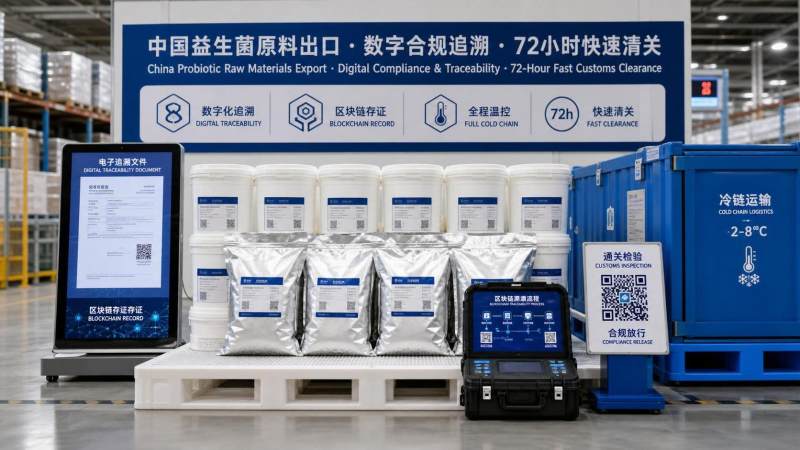
On July 2, 2026, Brazil’s health regulator ANVISA announced a fast-track import pathway for probiotic fermentation inputs from three Chinese suppliers that hold both GMP and BioSafe certification. The measure covers yeast extract, freeze-dried lactic acid bacteria powder, and postbiotic compound base materials, and it is worth close attention from raw material traders, food manufacturers, procurement teams, and supply chain service providers because it links customs speed directly to digital traceability and compliance documentation rather than routine batch-by-batch lab testing.
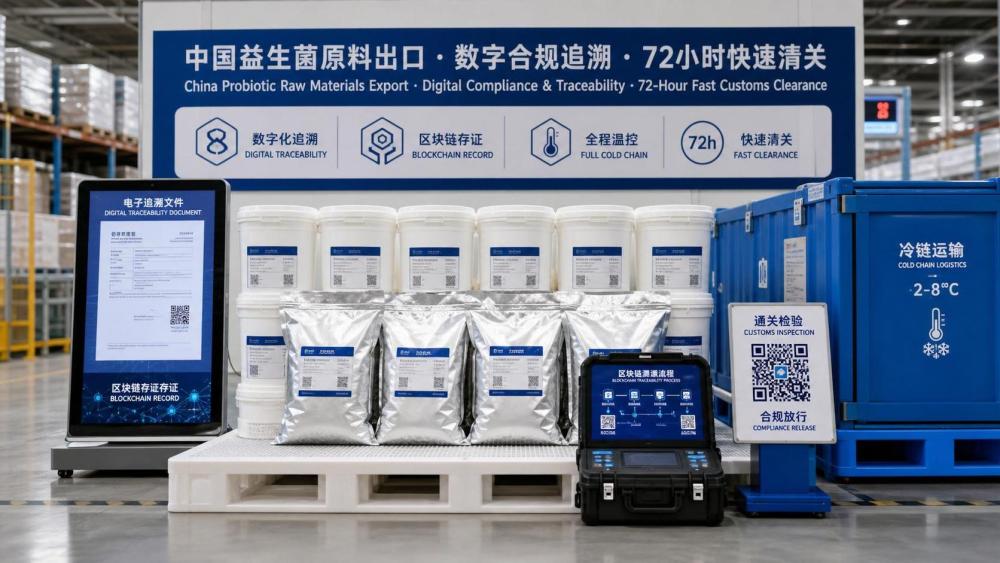
What ANVISA Confirmed on July 2
According to the announced terms, the green import channel applies to three Chinese probiotic raw material companies that have passed dual GMP and BioSafe certification. For shipments under this pathway, ANVISA will waive laboratory testing for every batch.
Instead, import clearance will rely on two compliance elements: an electronic traceability certificate that meets RDC No. 216/2025 and a blockchain hash value tied to the production process. The announcement indicates that the average customs clearance time for these Chinese probiotic inputs entering Brazil can be reduced from 18 days to within 72 hours.
Where the Immediate Business Impact May Appear
Raw material sourcing becomes more time-sensitive
From an industry perspective, procurement teams at food manufacturers may feel the change first because shorter clearance windows can improve replenishment speed. The most direct impact is likely to appear in purchasing schedules, safety stock decisions, and supplier coordination for probiotic-related inputs used in production planning.
Import traders will need stronger document control
Direct trade companies may benefit from faster cargo movement, but the operational focus shifts toward documentation accuracy. What deserves closer attention is whether traceability certificates and production-linked blockchain records are complete and aligned with ANVISA’s stated requirements, since the process now depends less on repeated physical testing and more on trusted digital compliance records.
Food manufacturers gain flexibility, but only within the approved scope
For processors and end-use manufacturers in South America, the headline advantage is faster procurement response. Analysis shows that this could help factories manage lead times more tightly. At the same time, the benefit appears tied to the specific suppliers and product categories named in the announcement, so sourcing teams will need to separate approved inputs from materials that still follow standard procedures.
Supply chain service providers may see a workflow change
Customs brokers, compliance service firms, and logistics coordinators may need to adjust their work around pre-clearance preparation, digital file integrity, and shipment handoff timing. The change is not simply about faster transport; it also raises the importance of data readiness before cargo reaches the border.
What Companies Should Track Next
How ANVISA describes the operational rules in practice
Companies should watch for any further official wording on how the green channel will be applied in day-to-day import review. Analysis shows that policy language and operational execution are not always the same, especially when documentation replaces batch testing as the main control point.
The exact scope of covered materials and suppliers
Current attention should stay on whether a shipment clearly falls within the approved categories: yeast extract, freeze-dried lactic acid bacteria powder, and postbiotic compound base materials from the three dual-certified Chinese suppliers. For buyers and traders, this is a practical distinction that affects contract terms, shipment planning, and customer commitments.
Readiness of traceability and blockchain-linked records
The announcement makes electronic traceability certificates and production-process blockchain hash values central to clearance. For exporters, importers, and service providers, the immediate task is less about broad strategy and more about whether internal systems, document exchange workflows, and verification steps can support these requirements without delay.
How delivery promises are communicated to customers
Because the stated clearance timeline moves from 18 days to within 72 hours, commercial teams may be tempted to reset delivery expectations quickly. Observably, a more careful approach is to communicate that the faster pathway exists while keeping a close eye on execution consistency, documentation quality, and the approved supplier scope.
Why This Looks Like More Than a Routine Clearance Update
Analysis shows that this development can be read as a targeted regulatory signal rather than a broad market-wide shift. It indicates that ANVISA is willing to recognize a compliance model built around dual certification, electronic traceability, and blockchain-linked production records for a defined group of imported probiotic inputs.
It is more appropriate to understand this as an early operational precedent, not as proof that all probiotic ingredients or all overseas suppliers will receive the same treatment. The industry still needs to observe whether the model remains limited, expands to additional suppliers or materials, or develops into a more formal cross-border compliance pattern.
How the Industry Should Read the Development Now
In practical terms, this update matters because it connects regulatory trust, digital documentation, and import speed in a single mechanism. For the probiotic ingredient trade and downstream food manufacturing, the near-term significance lies in lead-time reduction and procurement responsiveness. From a longer-view perspective, the stronger signal may be that document credibility and traceable production data are becoming more central in import administration for sensitive raw materials.
At this stage, the most balanced reading is that the change is both an immediate operational improvement for a narrow group and a longer-term signal worth monitoring. It does not yet confirm a broad structural shift across the entire market, but it does point to a direction that companies in sourcing, compliance, and cross-border supply should follow closely.
Basis of This Article and What Still Needs Verification
This article is based on the user-provided news title, event date, and event summary. For this type of development, the source categories usually worth checking include official regulator announcements, company disclosures, industry association updates, authoritative media reporting, and relevant standards or compliance documents.
No specific official source link was provided in the input, so the underlying announcement and any subsequent implementation details still require ongoing verification. Further attention should focus on whether ANVISA issues additional clarification on scope, documentation review, and practical use of the fast-track channel.