




Search
Related News
- 00
0000-00
How Food Processors Can Improve Throughput Without Compromising Hygiene Control - 00
0000-00
Microbial Fermentation Explained: How It Produces Food Ingredients at Scale - 00
0000-00
Protected Cultivation Technology: Which Climate Control Systems Fit Your Crop? - 00
0000-00
Sizing Livestock Ventilation Systems for Heat, Humidity, and Ammonia Control - 00
0000-00
Agri-Food Industry Trends Reshaping Supply Chain Risk and Investment Priorities
Clean Label Ingredients Natural Preservatives: Options, Limits, and Food Applications




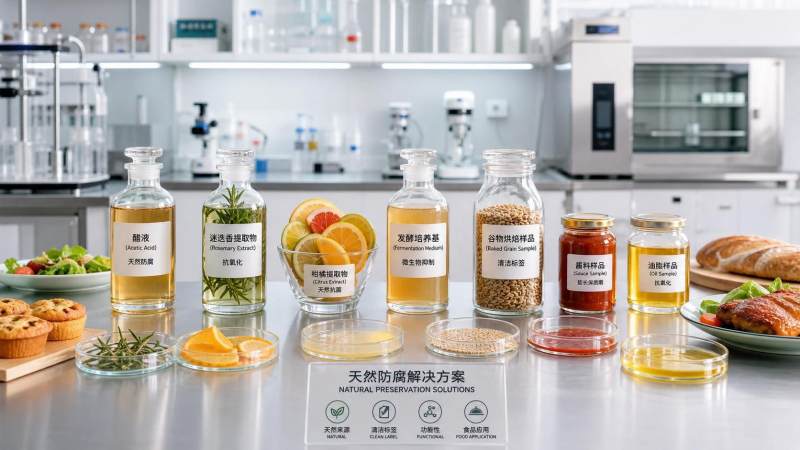
Clean Label Ingredients Natural Preservatives: Options, Limits, and Food Applications
As food manufacturers respond to rising demand for transparency, clean label ingredients natural preservatives are becoming a key focus for quality and safety teams.
Yet not every option performs the same across processing, shelf life, and regulatory conditions.
This article looks at practical choices, technical limits, and where each approach fits in real food systems.
Why Clean Label Ingredients Natural Preservatives Matter Now
The market signal is clear.
Buyers want shorter ingredient lists, familiar names, and fewer chemical-sounding additives.
For manufacturers, that creates pressure on shelf life, sensory quality, and food safety controls.
This is where clean label ingredients natural preservatives enter the discussion.
They are not a single technology.
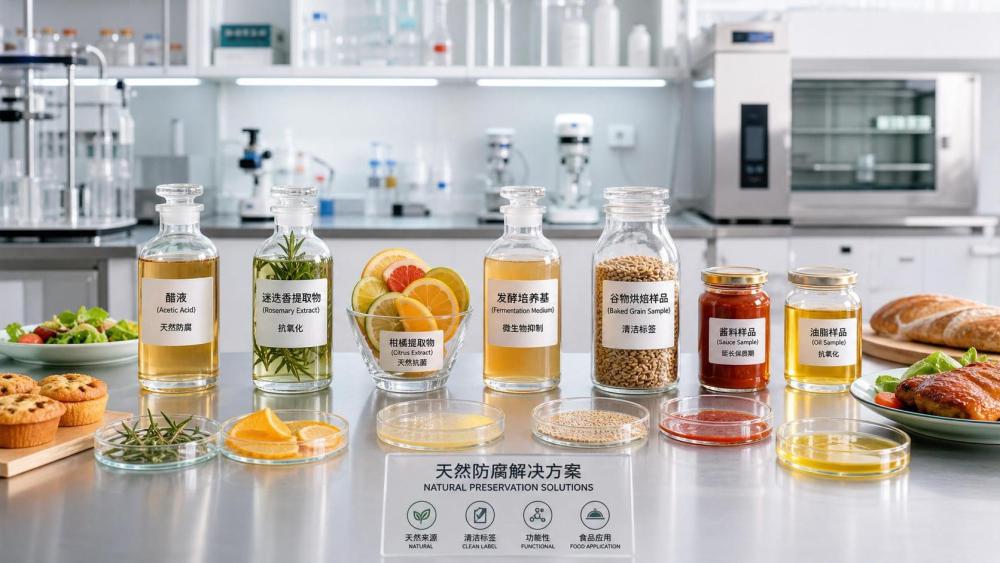
They include plant extracts, fermentates, acids from natural sources, cultured sugar or dextrose systems, essential oils, salt, vinegar, and antioxidant compounds.
Some target bacteria.
Others slow mold, yeast, or oxidation.
A few support several functions at once, but usually with trade-offs.
That matters because clean label positioning does not reduce hazard expectations.
Pathogen control, spoilage management, and compliance still have to hold under real distribution conditions.
What Counts as a Practical Natural Preservative Option
In practice, the best clean label ingredients natural preservatives are selected by function first, not by marketing appeal.
1. Vinegar and buffered vinegar
Vinegar is widely used in ready meals, sauces, deli products, and meat applications.
It helps suppress bacterial growth, especially when pH is already controlled.
Buffered versions can reduce sharp acidity while keeping antimicrobial performance.
2. Cultured dextrose and fermentates
These systems are common in bakery, dairy, dips, and refrigerated prepared foods.
They can inhibit mold, yeast, and some bacteria, depending on formulation and dosage.
Their performance often improves in multi-hurdle systems.
3. Rosemary extract and natural antioxidants
These are less about microbial inhibition and more about oxidation control.
They are useful in oils, snacks, processed meats, and fat-containing fillings.
They help delay rancidity, color loss, and off-notes.
4. Citrus extracts and plant-derived acids
These ingredients may contribute antimicrobial action and flavor brightness.
Their fit depends heavily on taste tolerance and final product pH.
5. Essential oils and botanical extracts
Oregano, thyme, clove, and cinnamon extracts show antimicrobial activity in lab settings.
Commercial use is narrower because aroma impact can become dominant before preservation targets are reached.
So the question is rarely whether an ingredient is natural.
The real question is whether it works in the product’s chemistry, process, and shelf-life model.
The Main Technical Limits Behind Clean Label Ingredients Natural Preservatives
This is where many projects slow down.
Clean label ingredients natural preservatives often work, but not as drop-in replacements for conventional systems.
Matrix dependence
Protein, fat, water activity, salt, sugar, and emulsion structure can all change efficacy.
An ingredient that performs well in a sauce may underperform in a high-fat meat filling.
pH sensitivity
Many natural antimicrobial systems are stronger in acidic foods.
Neutral pH products usually require a broader hurdle strategy.
Flavor and aroma impact
This is a common barrier in dairy, bakery, and lightly flavored products.
The preservative may work microbiologically while damaging the intended sensory profile.
Dose and cost pressure
Higher use rates are often needed to achieve comparable performance.
That can raise formula cost and reduce process flexibility.
Process stability
Heat, shear, oxygen exposure, and packaging interactions may reduce active performance over time.
That is especially relevant in retorted foods, frozen-thawed systems, and extended chilled distribution.
Label and regulatory interpretation
Naming conventions differ by market.
A clean label ingredient in one region may face a different declaration expectation elsewhere.
That means validation should include both technical and labeling review.
Where These Systems Fit Best in Real Food Applications
Not every category offers the same room for success.
The best applications for clean label ingredients natural preservatives usually share one trait.
They already have supportive hurdles in place.
Prepared sauces, dressings, and condiments
These often have lower pH and established acid profiles.
Vinegar, citrus systems, and selected fermentates can perform well here.
Bakery products
Mold control is often the main target.
Cultured wheat, cultured dextrose, and fermentate systems are commonly evaluated.
Water activity and package integrity remain critical.
Refrigerated meat and poultry
This is a more demanding area.
Buffered vinegar, natural flavor-based antimicrobial systems, and antioxidant blends may help.
Still, pathogen risk, purge, oxidation, and cold-chain variability make validation essential.
Dips, spreads, and fresh prepared foods
These products often face yeast, mold, and post-process contamination risks.
Clean label ingredients natural preservatives can help, but sanitation and fill control usually decide outcomes.
Snack fats, fillings, and oil-rich products
Here the main issue may be oxidation, not microbes.
Rosemary extract, mixed tocopherols, and related antioxidant systems can be strong tools.
How to Evaluate Clean Label Ingredients Natural Preservatives Properly
A useful validation plan should go beyond supplier brochures.
- Define the real failure mode first, such as mold, oxidation, gas formation, souring, or pathogen growth.
- Map the product hurdles, including pH, water activity, salt, heat treatment, package type, and target shelf life.
- Screen several clean label ingredients natural preservatives at realistic use levels.
- Run sensory checks early, because technical success without consumer acceptance has little value.
- Use challenge studies or shelf-life trials under true temperature abuse scenarios.
- Confirm ingredient declaration and market compliance before scale-up.
This process sounds basic, but it prevents expensive reformulation loops.
It also keeps clean label goals aligned with measurable food safety performance.
Quick Comparison of Common Options
A Practical Decision Framework
The most effective use of clean label ingredients natural preservatives comes from disciplined application, not broad assumptions.
Start with the spoilage or safety target.
Then check the product matrix, process severity, package barrier, and cold-chain reality.
From there, select one or two natural preservative systems that match the actual risk profile.
In many cases, the winning solution is not a single ingredient.
It is a multi-hurdle design that combines formulation, process hygiene, packaging, and distribution control.
That is the practical path for turning clean label ingredients natural preservatives into reliable food applications instead of risky label claims.
For teams reviewing reformulation or new product development, the next useful step is a category-specific validation map built around shelf life, abuse tolerance, and declaration requirements.