




Search
Related News
- 00
0000-00
How to Select Agricultural Irrigation Solutions for Water-Limited Farms - 00
0000-00
How to Select Food Plant Sanitation Equipment for High-Risk Processing Areas - 00
0000-00
Selecting Meat Packaging Technology to Extend Shelf Life and Control Leakage - 00
0000-00
Selecting Secondary Dairy Packaging Systems for Hygienic, High-Speed Distribution - 00
0000-00
How to Design Greenhouse Irrigation Zones for Uniform Watering and Lower Waste
Clean-Label Shelf Life: Which Hurdles Can Replace Synthetic Preservatives?




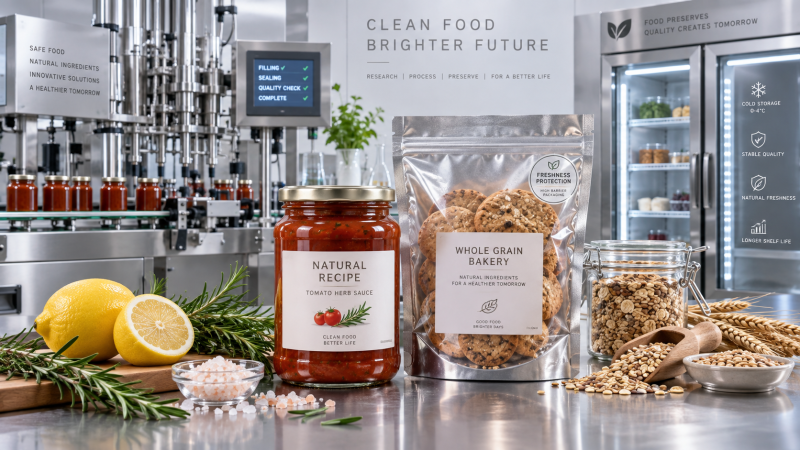
Clean-Label Shelf Life: Which Hurdles Can Replace Synthetic Preservatives?
Introduction: Clean label shelf life preservatives are reshaping formulation decisions as manufacturers seek simpler alternatives to synthetic additives while maintaining safety, quality, and commercial viability.
For technical evaluators, the central conclusion is straightforward: no universal natural preservative replaces every synthetic option across products, processes, packaging formats, and supply chains.
The practical route is hurdle technology, where several moderate controls work together to limit microbial growth, oxidation, moisture migration, and quality deterioration.
This article addresses the search intent behind clean label shelf life preservatives: identifying credible replacement strategies, evaluating technical tradeoffs, and selecting combinations suitable for validation.
Technical teams usually care most about pathogen control, spoilage risk, sensory effects, label implications, process compatibility, packaging requirements, cost, and evidence needed for launch approval.
Start With the Product Risk Profile, Not a “Natural Preservative” List
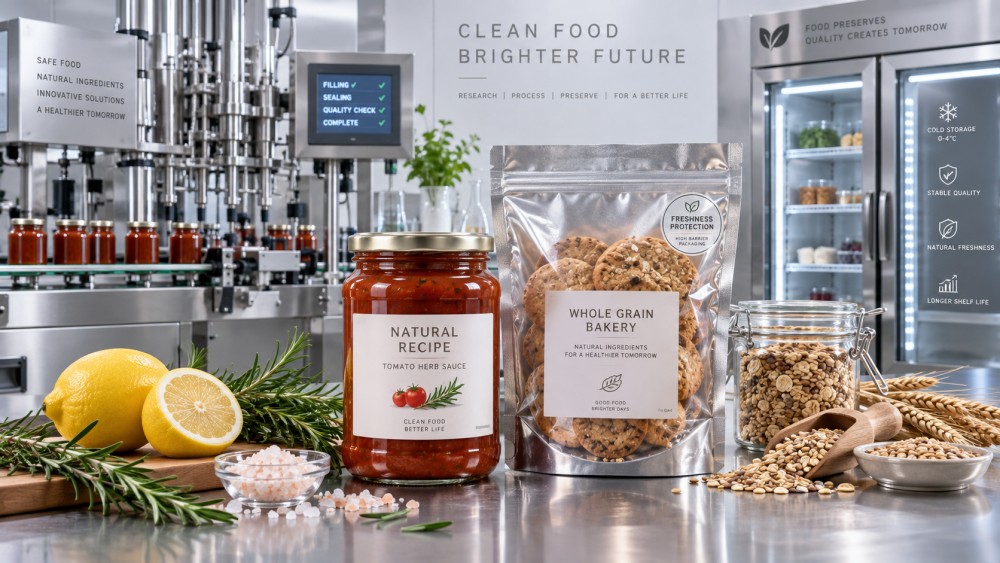
A clean-label project should begin with a product-specific risk assessment, because the same ingredient can behave very differently in acidic beverages, bakery goods, sauces, dairy products, and chilled meals.
Evaluate intrinsic factors first: pH, water activity, nutrient availability, oxygen exposure, salt level, sugar level, fat content, and expected microbial load after processing.
Then assess external factors, including filling conditions, packaging barrier performance, distribution temperatures, consumer handling, intended shelf life, and local regulatory requirements for the target market.
This assessment identifies the organisms that matter most. For example, low-acid refrigerated foods may require Listeria control, while bakery products often face mold spoilage challenges.
Technical evaluators should distinguish food safety objectives from quality objectives. A solution that delays visible mold may still be insufficient against pathogenic bacteria under foreseeable abuse conditions.
Product teams should also establish a realistic shelf-life target. Extending shelf life beyond the capabilities of the existing cold chain may create disproportionate formulation, packaging, and validation costs.
The best clean-label shelf life preservatives strategy often reduces the preservation burden before adding any antimicrobial ingredient. Strong hygiene and stable processing conditions remain foundational controls.
Incoming raw materials deserve attention because variable microbial loads can overwhelm a mild hurdle system. Supplier specifications, testing plans, sanitation verification, and storage discipline directly affect results.
pH Control Remains One of the Most Powerful Clean-Label Hurdles
Acidification is often the most efficient preservation tool when it fits the product concept. Lower pH reduces growth opportunities for many pathogenic and spoilage microorganisms.
Organic acids such as citric, lactic, acetic, and malic acid may support familiar label language, although acceptability depends on formulation, consumer expectations, and applicable regulations.
pH alone should never be viewed as a cosmetic adjustment. Its antimicrobial value depends on the final equilibrated pH, buffering capacity, acid type, and storage temperature.
Undissociated acid molecules can be particularly important because they enter microbial cells and disrupt internal metabolism. Their effectiveness changes as pH approaches the acid’s dissociation range.
Acidified sauces, dressings, beverages, and vegetable products can often achieve substantial shelf-life gains through pH design, supported by thermal processing and hygienic filling practices.
However, acidity can create sensory constraints. Excessive sourness, flavor imbalance, protein instability, or texture changes may undermine commercial acceptance even when microbial results appear favorable.
Teams should measure pH at several points during development, including immediately after production, after equilibration, and throughout storage. Ingredient variation and temperature can affect final readings.
When evaluating a pH hurdle, confirm whether the control limit remains achievable at plant scale. Small laboratory batches may not predict mixing uniformity or acid distribution in production.
Water Activity Reduction Can Control Growth Without Conventional Preservatives
Water activity, commonly expressed as aw, measures water available for microbial growth rather than total moisture. It is especially relevant for bakery, snack, confectionery, and intermediate-moisture foods.
Reducing water activity can be achieved through drying, concentration, salt, sugar, humectants, or ingredient systems that bind available water within the product matrix.
This hurdle can provide meaningful microbial stability, but it may change texture, sweetness, sodium content, nutritional positioning, and processing behavior. These effects require early sensory evaluation.
Different organisms tolerate different water activity levels. Many bacteria are constrained sooner than yeasts and molds, so aw targets must match the actual spoilage ecology.
Moisture migration is a frequent hidden failure mode. A dry component can absorb moisture from a filling, topping, sauce, or surrounding atmosphere during storage.
Packaging selection therefore matters as much as the initial aw measurement. Moisture-vapor transmission rates, seal integrity, headspace conditions, and distribution humidity affect long-term stability.
Technical evaluators should use calibrated aw testing rather than relying only on moisture content. Two products with similar moisture percentages may support microbial growth differently.
In many applications, modest aw reduction works best alongside pH control, mild heat treatment, or protective packaging. The objective is balanced control without creating an unacceptable product.
Fermentation and Cultured Ingredients Can Deliver Functional Preservation
Fermentation can support clean-label shelf life by producing organic acids, antimicrobial metabolites, and flavor-active compounds that make the food environment less favorable to spoilage organisms.
Cultured dextrose, cultured flour, fermented sugar systems, and selected microbial metabolites are commonly evaluated where manufacturers want alternatives to conventional chemical-sounding preservatives.
The technical question is not whether an ingredient sounds natural. Teams need to understand its active mechanism, concentration range, target organisms, sensory impact, and batch consistency.
Some fermented ingredients perform well against molds in bakery products, while others provide broader activity in refrigerated foods. Supplier claims should be confirmed in the final food matrix.
Fermented systems can introduce flavor notes, color shifts, or interactions with yeast, proteins, hydrocolloids, and flavors. These changes should be evaluated over the full intended shelf life.
Label positioning requires legal and commercial review. “Clean label” has no single universal definition, and consumer acceptance varies by country, category, retailer, and brand strategy.
For technical teams, fermented ingredients are best treated as functional processing inputs with measurable preservation effects, rather than as automatic substitutes for every conventional preservative.
A supplier’s challenge-test data can guide screening, but it cannot replace validation using the manufacturer’s recipe, process parameters, packaging, distribution profile, and expected consumer use.
Natural Antimicrobials Need Careful Screening for Efficacy and Sensory Fit
Plant extracts, essential-oil components, rosemary derivatives, vinegar powders, citrus extracts, and spice-based systems may contribute antimicrobial or antioxidant performance in selected applications.
These materials often attract interest because they support recognizable ingredient stories. Yet their effectiveness can be inconsistent when product pH, fat content, protein binding, or flavor masking changes.
Essential oils may inhibit microorganisms in laboratory tests but create strong flavor effects at concentrations required for real product protection. Matrix interactions can reduce their active availability.
Vinegar-based ingredients can be useful in savory products, sauces, meats, and prepared foods, especially when their acidity and flavor profile complement the final recipe.
Rosemary extract is primarily valued for oxidation control rather than broad antimicrobial protection. It can help preserve flavor, color, and fat quality in products vulnerable to rancidity.
Antioxidant protection should not be confused with microbial preservation. Both are important shelf-life functions, but they address different failure mechanisms and require different validation methods.
Some naturally derived antimicrobials face labeling, allergen, regional approval, or consumer-perception limitations. Technical assessment should involve regulatory and commercial stakeholders from the beginning.
A practical screening protocol compares candidates at realistic inclusion levels, then measures microbial performance, sensory acceptability, physical stability, and cost per protected unit of product.
Heat Treatment and Hygienic Design Often Reduce the Need for Additives
Many clean-label shelf life preservatives projects underestimate the preservation value of process control. Better thermal treatment, filling hygiene, and equipment sanitation can significantly reduce initial contamination.
Pasteurization, hot filling, retorting, aseptic processing, baking, and high-pressure processing each provide different benefits. Their suitability depends on product composition, target organisms, and desired quality.
The key metric is not simply processing temperature. Teams must understand time-temperature exposure, cold spots, heating uniformity, line speed, viscosity effects, and post-process contamination risks.
High-pressure processing can extend refrigerated product life with limited heat damage, but it requires compatible packaging, capital investment, validated operating conditions, and reliable service capacity.
For many factories, improved sanitation may offer the fastest return. Biofilm control, zoning, environmental monitoring, allergen management, and hygienic equipment design protect every preservation strategy.
Clean-label positioning should never become a reason to weaken food safety controls. Eliminating an additive requires compensating evidence that the total manufacturing system remains robust.
Technical evaluators should review process capability data, not only nominal settings. Variation across shifts, operators, equipment conditions, and production volumes determines practical preservation performance.
When initial microbial load falls consistently, milder formulation hurdles may become sufficient. This can improve flavor and label simplicity without accepting avoidable safety or spoilage risk.
Packaging Is an Active Shelf-Life Tool, Not a Final Logistics Choice
Packaging can replace part of the function formerly delivered by synthetic preservatives by controlling oxygen, moisture, light exposure, contamination, and gas composition around the food.
Modified-atmosphere packaging can slow aerobic spoilage organisms by reducing oxygen or increasing carbon dioxide. Its effectiveness depends on product respiration, film barrier, seal quality, and refrigeration.
Vacuum packaging may help certain products, but it changes the microbial ecology. Reduced oxygen does not remove the need to assess anaerobic or facultative pathogen risks.
Oxygen scavengers, high-barrier films, light-protective structures, and resealable closures can protect products sensitive to oxidation, moisture pickup, or repeated consumer opening during use.
Package selection must reflect actual distribution conditions. A laboratory shelf-life result using premium film may not transfer to commercial material downgauging or longer transport routes.
Seal integrity testing should be part of clean-label validation. Small leaks can quickly negate the benefits of modified atmosphere, vacuum conditions, or moisture-barrier packaging.
Packaging also influences sustainability tradeoffs. A material with higher barrier performance may reduce food waste, but its recyclability, weight, availability, and end-of-life pathway require balanced assessment.
Evaluate the product, process, and pack together. Reformulating first and selecting packaging later often leads to avoidable iterations, delayed validation, and conflicting technical compromises.
Cold-Chain Discipline Is Often the Deciding Hurdle for Refrigerated Products
For chilled foods, refrigeration is frequently the most important clean-label shelf-life control. A formulation designed for stable cold storage can fail rapidly under temperature abuse.
Technical teams should define the real temperature profile, rather than assuming an ideal set point. Consider factory holding, loading, transport, warehouses, retail cabinets, and domestic refrigerators.
Time-temperature monitoring provides stronger evidence than occasional manual checks. Data loggers can reveal repeated excursions that explain spoilage complaints, short shelf life, or inconsistent microbiological results.
Lower and more stable storage temperatures can reduce dependence on antimicrobial ingredients, but they may increase energy use and require stronger operational commitments from distribution partners.
Expiration-date decisions should reflect foreseeable abuse scenarios within the intended market. Shelf life based only on perfect refrigeration may create an unrealistic safety margin.
Cold-chain agreements need measurable responsibilities. Temperature specifications, monitoring records, corrective actions, receiving procedures, and escalation processes are part of the preservation system.
For export products, longer transit times and variable infrastructure increase uncertainty. Clean-label formulations should be validated against the most demanding credible route, not an average route.
Refrigeration is not a substitute for formulation control, but it can enable more restrained ingredient choices when combined with suitable pH, process hygiene, and protective packaging.
Validate the Hurdle System With Evidence That Supports Launch Decisions
Clean-label shelf life claims require more than a promising ingredient trial. The finished product needs a structured validation program that addresses safety, quality, and commercial handling conditions.
Begin with baseline testing of the current formula. This establishes which failure modes drive shelf-life limits, whether microbial, sensory, oxidation-related, physical, or packaging-related.
Challenge testing is particularly important when formulations support pathogen growth or when a conventional preservative has been removed. Qualified laboratories can design studies around relevant organisms.
Accelerated testing can support early development, but it cannot reliably replace real-time storage studies. Temperature changes may alter microbial behavior and physical deterioration in non-linear ways.
A robust study includes multiple production lots because variability matters. One successful laboratory batch does not establish that commercial-scale processing will consistently meet performance expectations.
Define acceptance criteria before testing begins. These may include pathogen limits, total viable counts, yeast and mold levels, sensory thresholds, package integrity, pH, aw, and oxidation markers.
Documentation should link formulation specifications, process controls, packaging specifications, storage assumptions, testing methods, and final shelf-life conclusions. This supports quality, regulatory, and customer review.
Commercial trial data should feed back into the assessment after launch. Complaint trends, returns, distribution records, and retained samples can reveal risks missed during development validation.
How Technical Evaluators Should Select a Practical Clean-Label Strategy
Use a decision matrix rather than selecting ingredients based on label appeal alone. Score each hurdle combination against safety performance, quality retention, cost, operational complexity, and claim credibility.
For acid foods, prioritize pH design, hygienic thermal processing, and oxygen management. For bakery products, prioritize aw control, mold management, packaging, and post-bake contamination prevention.
For refrigerated ready-to-eat foods, focus on environmental hygiene, pathogen control, cold-chain reliability, packaging atmosphere, and validated antimicrobial support where the risk assessment requires it.
For high-fat products, assess oxidation separately from microbial risk. Antioxidants, oxygen barriers, light protection, and raw-material freshness may be more valuable than antimicrobial interventions.
Cost evaluation should include more than ingredient price. Consider yield effects, energy demand, packaging changes, equipment investment, waste reduction, testing expense, and potential shelf-life extension value.
Supplier collaboration is useful when it is evidence-led. Request application data, regulatory status, recommended usage ranges, mechanism explanations, and information about known product limitations.
Cross-functional governance prevents late-stage failure. Research and development, quality assurance, operations, procurement, regulatory teams, packaging engineers, and commercial teams should approve the final tradeoffs.
The strongest projects define a minimum viable hurdle system first, then test whether additional clean-label ingredients create enough incremental value to justify their complexity and cost.
Conclusion: Replace Preservatives With a System, Not a Single Ingredient
Clean label shelf life preservatives are most effective when they form part of a deliberately engineered system rather than a simple one-for-one ingredient substitution.
pH reduction, water activity management, fermentation, natural antimicrobials, hygienic processing, protective packaging, and reliable refrigeration can each contribute meaningful protection under suitable conditions.
Technical evaluators should prioritize the product’s actual failure modes, target organisms, manufacturing capability, package performance, and distribution reality before committing to a clean-label preservation route.
The commercially credible answer is usually a balanced hurdle combination supported by challenge studies, real-time shelf-life testing, and disciplined process control across the agri-food supply chain.