




Search
Related News
- 00
0000-00
Technology Assessment Supplier Comparison: A Scorecard for Procurement Teams - 00
0000-00
How to Evaluate Automated Aquaculture Farming Systems for Recirculating Farms - 00
0000-00
What to Ask a Contamination Detection Systems Manufacturer Before Buying for Food Lines - 00
0000-00
How to Select a Greenhouse Temperature Monitoring System for Multi-Zone Climate Control - 00
0000-00
How to Evaluate Venlo Greenhouse Construction for High-Yield Commercial Growing
Vietnam Halts Imports Without VACAS Approval




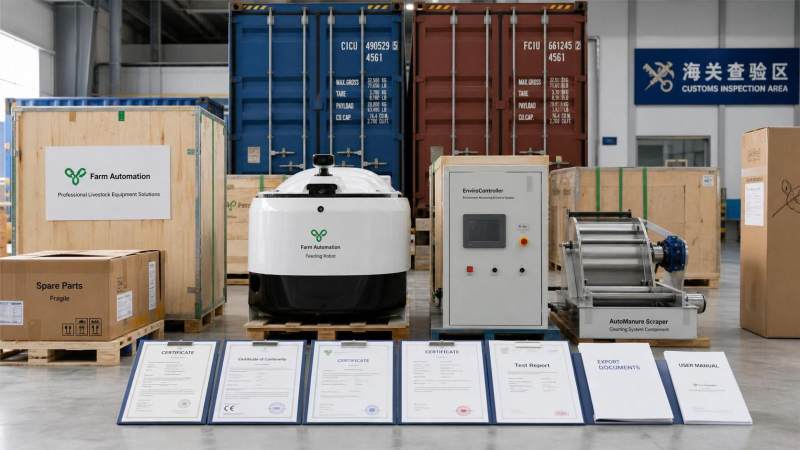
Vietnam’s Ministry of Agriculture and Rural Development (MARD) issued an urgent notice on July 15, 2026 that changes the import condition for livestock automation systems entering the Vietnamese market. Under the notice, imported equipment such as feeding robots, environmental monitoring systems, and automatic manure removal units must hold a type certification certificate issued by the Vietnam Animal Health and Food Safety Certification Center (VACAS), or they will not be cleared through customs. Because the measure takes effect immediately and without a transition period, exporters, importers, procurement teams, and delivery coordinators now face a direct compliance and shipment risk that deserves close attention.
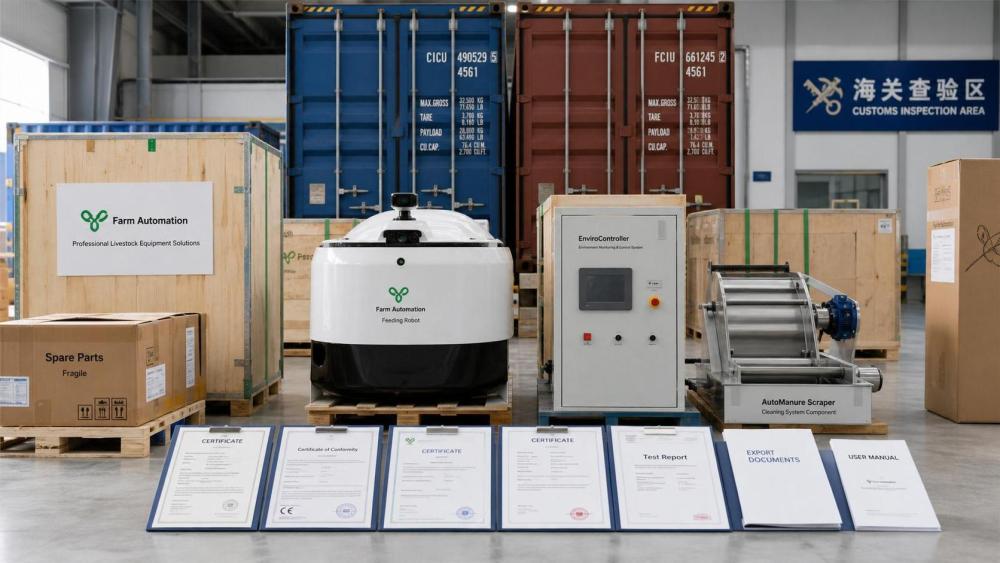
An immediate certification gate at customs
According to the information provided, MARD released urgent notice No. 87/TB-BNN-TY on July 15, 2026. The notice requires all imported livestock and poultry automation equipment to carry a VACAS-issued type certification certificate. The equipment scope mentioned in the summary includes feeding robots, environmental monitoring systems, and automatic manure removal devices.
The notice also states that products without that certification will not be cleared through customs. The measure is effective immediately from the date of release, with no transition period. The information provided further indicates that the change is already affecting the delivery pace of major Chinese exporters of livestock automation equipment.
Where the disruption may appear first
Export shipments now depend on certificate readiness
From an industry perspective, exporters of livestock automation systems are likely to feel the impact first because the rule directly links customs clearance to possession of a VACAS type certification certificate. The immediate business effect may appear in shipment release, delivery scheduling, contract execution timing, and document review before dispatch. What deserves closer attention is whether product files, model-level certification status, and export documentation are aligned before goods move.
Importers and buyers face procurement timing pressure
Vietnam-facing importers and procurement teams may be affected because the rule changes the practical entry requirement for covered equipment. Analysis shows that purchasing plans, arrival schedules, and installation timelines may now depend not only on product availability but also on whether the relevant type certification has already been secured. Buyers should pay closer attention to certificate status during supplier selection, order confirmation, and pre-shipment review.
Supply chain and delivery service providers may see handover delays
Supply chain service providers, including parties involved in shipping coordination and customs-facing documentation flow, may face disruptions where consignments are ready to move but certification files are incomplete or unavailable. Observably, the key pressure point is no longer only logistics timing but also document completeness tied to regulatory compliance. For these parties, the change increases the importance of checking whether certification documents are in place before final shipment arrangements are made.
Certification and technical support functions become more central
Companies handling compliance review, technical files, testing coordination, or after-sales preparation may also be drawn more directly into the transaction process. Analysis shows that once certification becomes a customs condition, technical documentation, product identification, and model consistency may matter earlier in the sales cycle. That does not confirm any specific new technical process beyond the notice, but it does raise the compliance weight of supporting documents around the imported equipment.
What companies should monitor now
Check whether covered products already hold the required VACAS certificate
What deserves closer attention first is a model-by-model review of products intended for the Vietnam market. Companies involved in export, procurement, or import handling should confirm whether the relevant livestock automation equipment already holds a VACAS type certification certificate, because the notice ties customs clearance directly to that condition.
Review shipment files and technical documentation together
Analysis shows that document control is now a practical priority. Businesses should pay attention to whether product descriptions, model identifiers, certification materials, and shipment paperwork are consistent with one another. Since the provided information does not include further execution detail, this should be understood as a risk-control focus rather than a confirmed procedural checklist.
Reassess delivery schedules and procurement commitments
Because the measure took effect immediately and without a transition period, companies should closely monitor delivery timing, booking decisions, and customer commitments tied to Vietnam-bound orders. Observably, the issue is not only whether demand exists, but whether goods can move through the import process under the new certification condition.
Watch for official clarification and market-side interpretation
The notice establishes a clear import requirement, but the input does not provide fuller detail on implementation wording, category boundaries, or document review practice. For that reason, companies should continue tracking later official expressions, counterpart requirements, tender document wording, and transaction-side feedback before treating all operating assumptions as settled.
Why this looks like an execution signal, not just a policy headline
Analysis shows that this development is more appropriately understood as an already effective compliance change rather than a distant regulatory direction. The reason is straightforward: the rule is tied to customs clearance, it names a specific certification condition, and it applies immediately with no transition period. At the same time, it should not yet be overstated as a fully transparent enforcement framework, because the provided information does not include broader implementation detail. That leaves room for continued observation around execution consistency, certification interpretation, and how market participants adjust their documentation and delivery arrangements.
How this update should be read for current business planning
From an industry perspective, the practical significance of this notice lies in the conversion of certification from a possible market-access consideration into an immediate customs-facing requirement for covered livestock automation systems. The most rational reading at this stage is that companies with Vietnam-related business should treat the change as a live compliance threshold affecting shipment readiness and delivery planning, while continuing to monitor how the requirement is interpreted and applied in actual transactions.
Basis of this article and what still needs verification
This article is based on the user-provided news title, event date, and event summary. For events of this kind, commonly relevant source types may include official notices, releases from regulatory authorities, customs or trade administration information, industry association updates, standards-related documents, and reporting by authoritative media. No specific official source link was provided in the input, so the exact official link remains to be verified on an ongoing basis.
Observably, follow-up attention should remain on any later policy detail, certification implementation wording, changes in tender or procurement documents, industry feedback, and how affected companies execute shipments and compliance review under the new requirement.