




Search
Related News
- 00
0000-00
How to Evaluate a Modular Livestock Housing Supplier for Climate, Scale, and Biosecurity - 00
0000-00
How to Select Agricultural Irrigation Solutions for Water-Limited Farms - 00
0000-00
How to Select Food Plant Sanitation Equipment for High-Risk Processing Areas - 00
0000-00
Selecting Meat Packaging Technology to Extend Shelf Life and Control Leakage - 00
0000-00
Selecting Secondary Dairy Packaging Systems for Hygienic, High-Speed Distribution
Vietnam Requires Local IoT Interfaces on Livestock Automation Imports




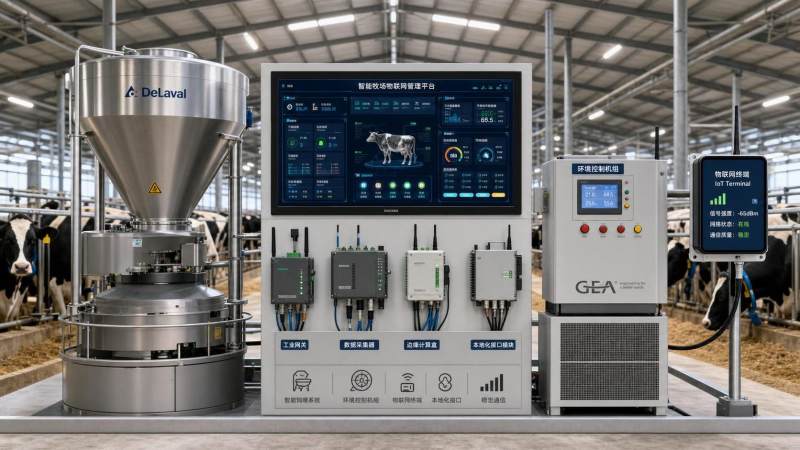
From July 15, 2026, imported livestock automation equipment entering Vietnam will face a new market-entry condition tied to digital connectivity rather than only mechanical or electrical performance. The change follows a notice issued by the Ministry of Agriculture and Rural Development (MARD) and directly affects suppliers, importers, procurement teams, compliance staff, and after-sales operators involved in feeding, environmental control, milking, and manure treatment systems. What makes this development worth close industry attention is that the requirement is linked to customs clearance and registration, which places compliance checks at the front end of trade and delivery.
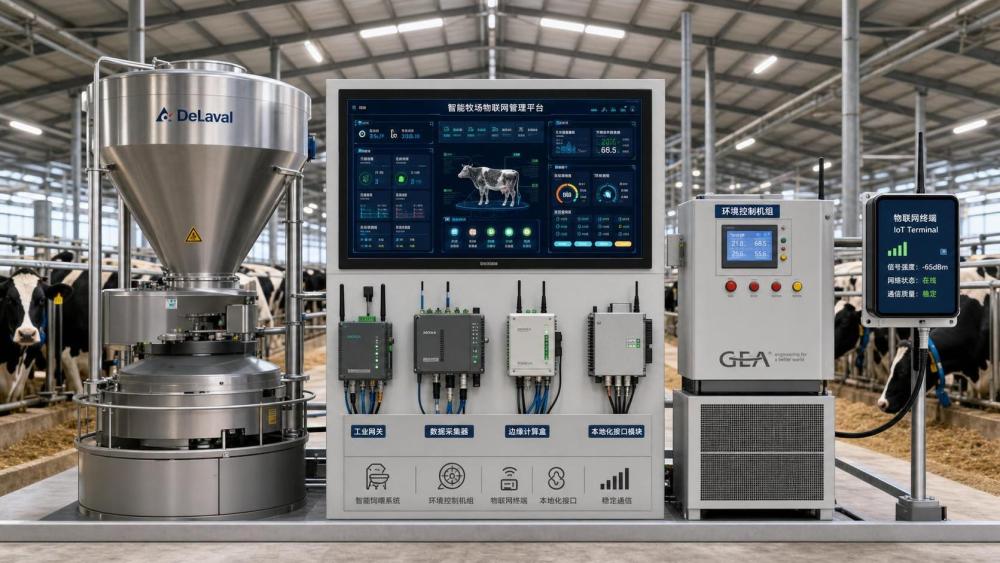
A New Access Condition for Imported Equipment
According to the provided information, MARD issued Circular No. 22/2026/TT-BNNPTNT on June 28, 2026. The circular requires all imported livestock automation equipment, including feeding, environmental control, milking, and manure treatment systems, to be pre-installed with a localized data interface that complies with Vietnam's national IoT communication protocol, QCVN 129:2026/BNNPTNT.
The same information states that, from July 15, 2026, the covered equipment must also connect to the agricultural IoT platform AgriLink. Equipment that does not meet these requirements will not be cleared through customs or registered.
Where the Immediate Pressure Will Be Felt
Exporters and equipment manufacturers face a design-level compliance issue
Analysis shows that this is not a paperwork-only adjustment. For exporters and manufacturers of livestock automation systems, the requirement reaches into product configuration because the interface must be pre-installed and aligned with QCVN 129:2026/BNNPTNT. The affected business steps are likely to include technical specification review, product configuration management, shipment readiness, and supporting compliance documentation prepared for import procedures.
What deserves closer attention is whether existing product versions for the Vietnam market can be shipped without modification after July 15. Companies involved in cross-border supply will need to examine whether technical files, interface descriptions, and registration-related materials are sufficient to demonstrate conformity at the point of customs clearance and registration.
Importers and procurement teams face a tighter pre-delivery checkpoint
From an industry perspective, the rule changes the risk position for importers and buyers in Vietnam because a non-compliant unit may be blocked before it can be registered or placed into use. The practical impact is likely to fall on supplier qualification, purchase contract review, model selection, and delivery scheduling.
Procurement teams should pay close attention to whether the ordered equipment is supplied with the required local IoT interface and whether the supplier can support AgriLink connection as required by the new rule. In transactional terms, this means compliance status becomes part of purchasing due diligence rather than a post-arrival technical matter.
Service and implementation teams may face added commissioning demands
Analysis shows that after-sales and implementation teams may also be affected because the rule ties imported equipment to a platform connection requirement. Even though the provided information does not describe the exact onboarding or testing process, businesses responsible for installation, commissioning, or technical support should expect closer scrutiny of interface readiness, system compatibility, and handover materials.
This is especially relevant where delivery obligations extend beyond hardware supply and include setup or operational launch. In such cases, compliance with the local interface requirement may influence acceptance timing and project completion milestones.
What Companies Should Check Now
Review technical conformity before shipment
Observably, the most immediate task is to verify whether covered equipment is already configured with a localized data interface compliant with QCVN 129:2026/BNNPTNT. Because the provided information does not include detailed enforcement procedures, companies should treat technical conformity review as an early control point and avoid assuming that standard export versions will remain acceptable for Vietnam after the effective date.
Recheck contract terms and document packages
What deserves closer attention is whether commercial and technical documents clearly reflect the required interface and platform connection capability. Importers, exporters, and procurement teams should monitor whether product specifications, tender documents, registration materials, test-related records, and delivery files need adjustment to match the new rule. The supplied information does not specify the exact document list, so this remains an area for continued verification.
Watch execution language from regulators and market practice
It is more appropriate to understand this as a rule with immediate compliance consequences but with practical implementation details that may still require observation. Companies should therefore keep tracking how the requirement is described in official implementation language, registration practice, and transactional documentation, especially where customs clearance and registration decisions depend on how conformity is evidenced.
Assess delivery timing and supplier readiness
Analysis shows that the short interval between issuance on June 28, 2026 and implementation on July 15, 2026 may create operational pressure for orders already in preparation or transit. Businesses should pay attention to delivery sequencing, supplier confirmation, and whether Vietnam-bound units need separate configuration or verification before shipment. This is particularly relevant for projects with fixed installation windows or acceptance deadlines.
Why This Looks Like More Than a Technical Detail
From an industry perspective, the notice is better read as an execution-level market access signal than as a narrow technical update. The requirement links equipment entry to a national IoT protocol and a designated agricultural platform, which means connectivity is being treated as part of regulatory acceptability for imported livestock automation systems.
At the same time, observably, the current information does not provide the full enforcement detail needed to map every compliance step. That is why the market should avoid treating all practical questions as settled. The immediate fact pattern is clear, but the operational interpretation around documentation, verification, and transaction handling still warrants close watching.
How the Market May Need to Read This Change
On the information available, this development is best understood as a rule already tied to implementation rather than a distant policy direction. The fact that non-compliant equipment may be denied customs clearance or registration gives the change direct relevance for trade execution, procurement planning, and delivery control.
Still, a measured reading is necessary. Analysis shows that the main significance lies in how quickly compliance responsibility moves upstream to product configuration and pre-shipment review. The broader market impact will depend on how consistently the rule is applied in practice and how quickly affected companies align their technical and commercial processes.
Basis of This Article
This article is based on the user-provided news title, event date, and event summary regarding Vietnam's July 15, 2026 requirement for imported livestock automation equipment to include a local IoT data interface compliant with QCVN 129:2026/BNNPTNT and to connect to AgriLink.
For developments of this type, relevant source categories usually include official regulatory notices, releases from supervisory authorities, customs or trade administration information, industry association updates, standard-setting documents, and reporting from authoritative trade media. A specific official source link was not provided in the input, so the underlying text and any later implementation details still require ongoing verification.
Further observation is still needed on policy detail, certification or conformity interpretation, registration and customs execution practice, tender document changes, market feedback, and how affected companies implement the requirement in actual shipments and projects.