




Search
Related News
- 00
0000-00
Microbial Fermentation Explained: How It Produces Food Ingredients at Scale - 00
0000-00
Protected Cultivation Technology: Which Climate Control Systems Fit Your Crop? - 00
0000-00
Sizing Livestock Ventilation Systems for Heat, Humidity, and Ammonia Control - 00
0000-00
Agri-Food Industry Trends Reshaping Supply Chain Risk and Investment Priorities - 00
0000-00
How to Evaluate Food Processing Suppliers for Capacity, Traceability, and Quality Control
Tags
Buyer Checklist for Nigeria Layer Cage Procurement




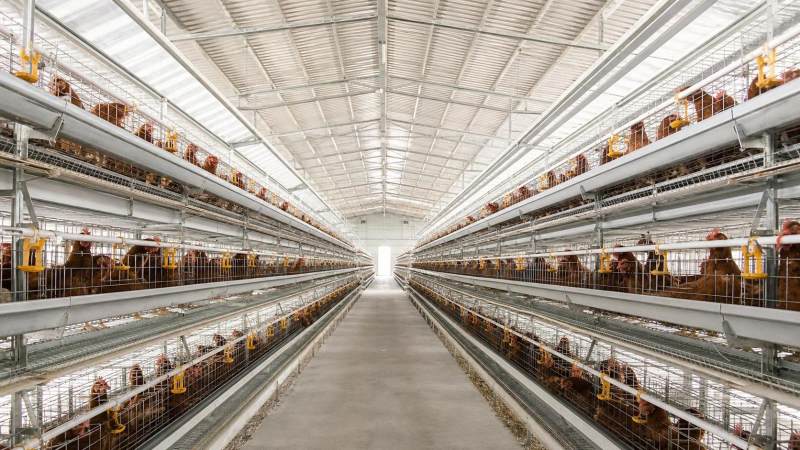
Buying poultry cages for a Nigerian farm is not only a search for a supplier with a competitive quotation. The equipment has to fit the flock size, house dimensions, feeding and drinking routine, climate conditions, installation plan, and the buyer's long-term maintenance capacity. A cage system that looks affordable at the quotation stage can become costly if it arrives with missing parts, weak corrosion protection, poor aisle planning, or no clear installation guidance.
For many layer farm buyers, the search phrase battery cages for sale in Nigeria usually reflects a practical procurement problem: how to compare cage type, price scope, shipping terms, material quality, bird capacity, and after-sales support without relying on vague sales claims. This article offers a structured checklist for farm owners, procurement teams, consultants, and distributors preparing to purchase battery cage equipment for layer production.
Start With the Farm Plan Before Comparing Prices
The first step is to define the farm plan in enough detail for suppliers to quote the correct equipment. A buyer should know the expected bird quantity, house length and width, row arrangement, tier preference, aisle width, egg collection routine, manure cleaning method, and whether feeding and drinking systems will be manual, semi-automatic, or automatic. Without these details, two quotations may appear to describe the same cage system while actually covering different capacities and accessories.
Nigerian farms also need to consider local operating conditions. Heat, dust, humidity, power reliability, water quality, and labor availability all affect equipment selection. A cage design that works well in a cool, highly automated facility may need adaptation for a house where ventilation depends on side openings, manual inspection, and backup power planning. Buyers should ask suppliers to explain how the cage layout fits the actual house and climate, not only how many birds the cages can hold.
Before a final order, the farm should prepare a simple technical file. It should include house dimensions, target capacity, bird type, preferred cage type, budget range, installation site, delivery port or inland destination, and any local contractor requirements. This file reduces confusion and helps the buyer compare quotations on the same basis.
A-Type, H-Type, Manual, and Semi-Automatic Options
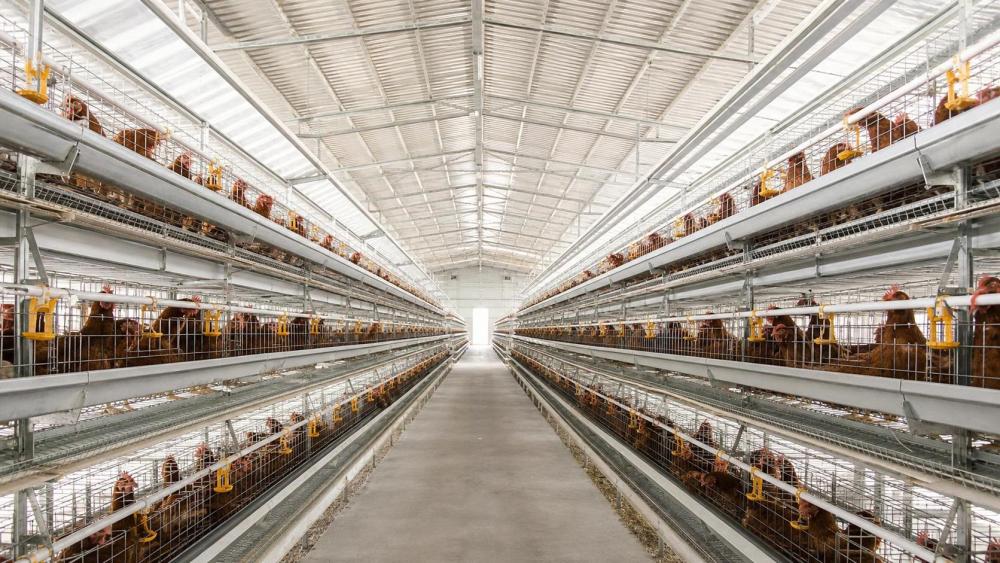
Many buyers compare A-type and H-type layer cage systems. A-type cages are often considered for smaller or medium farms because they are generally easier to inspect and can be suitable where labor is available. H-type systems can support higher density and more structured automation, but they require stronger planning for ventilation, manure handling, installation accuracy, and worker training. Neither type is automatically better; the right choice depends on the farm model.
Manual systems may reduce the initial equipment cost, but they depend heavily on daily labor discipline. Workers must distribute feed evenly, check water lines, collect eggs, and clean manure according to schedule. Semi-automatic or automatic systems may reduce repetitive work, but buyers must consider power supply, spare parts, maintenance training, and the ability to troubleshoot equipment. A farm should not buy a more complex system unless it can operate and maintain it properly.
The practical decision is to match equipment level to farm scale. A 1,000-bird starter farm and a 50,000-bird layer operation should not use the same buying logic. The larger the flock, the more important row alignment, spare parts planning, ventilation, and maintenance documentation become.
Core Buyer Checks for Cage Quality
Quality should be checked through specifications and inspection points, not only through product photos. The following table can help buyers compare supplier offers and identify missing details before payment.
Ventilation and House Layout in Nigerian Conditions
Battery cage procurement should not ignore the poultry house. Cage density, row direction, tier height, aisle width, and manure area all affect airflow. In hot regions, weak ventilation can quickly reduce bird comfort and increase management pressure. Buyers should ask suppliers how the cage layout interacts with natural airflow, fans, curtains, cooling pads, or other climate-control measures.
House layout should also support daily inspection. Workers need enough aisle space to observe birds, remove dead birds, check nipples, repair cage parts, collect eggs, and clean problem areas. If aisles are too narrow or access points are poorly placed, the farm may lose time every day. Good layout planning is not decorative; it protects labor efficiency and flock management.
For farms in areas with unstable electricity, automatic feeding, drinking, egg collection, and manure systems should be reviewed together with backup power. The buyer should ask what happens during a power outage and how the farm can continue essential routines. Equipment that depends on power needs a practical emergency plan.
Shipping, Installation, and Receiving Inspection
When buying internationally or from a distant supplier, delivery planning is part of the purchase. Buyers should clarify packing method, container loading, delivery terms, destination port, customs documents, inland transport, and whether fragile or small parts are packed separately. Missing accessories can delay installation even when the main cage frames arrive on time.
Receiving inspection should be prepared before the shipment reaches the farm. The buyer should compare the goods with the packing list, check coating damage, count main parts and accessories, inspect deformation, and photograph any visible issues. If local installers will assemble the system, they should receive drawings before installation day, not after the goods are unloaded.
Installation should follow a clear sequence: mark the house layout, confirm row spacing, place frames, assemble cage sections, install feeding and drinking systems, test water pressure, check door movement, and inspect every row before birds arrive. A rushed installation can create small errors that affect the farm for years.
Supplier Questions Before Payment
A serious supplier should be able to explain more than the headline price. Buyers comparing battery cages for sale in nigeria should ask practical questions that reveal whether the offer is complete and suitable for the farm.
- What cage type and tier configuration are included in the quotation?
- How many birds are assumed per cage, per set, and per house?
- Which feeding, drinking, egg collection, and manure removal parts are included?
- What material specifications and surface treatment are used?
- What spare parts should the farm keep for the first year of operation?
- What documents will be provided for installation and maintenance?
- How are goods packed, and what is included in the packing list?
- What site preparation is required before installation starts?
Common Procurement Mistakes to Avoid
One common mistake is comparing only the lowest quoted price. A low offer may exclude drinking parts, feeding accessories, installation guidance, spare parts, or adequate material specifications. Another mistake is accepting a capacity number without checking the house layout. The same bird quantity can require different row spacing, tier height, and ventilation planning depending on the building.
Buyers should also avoid treating cages as a one-time purchase with no maintenance plan. Door parts, nipples, pipes, troughs, fasteners, and other components need inspection and replacement over time. If the farm cannot source spare parts quickly, small equipment problems can interrupt daily work. Supplier evaluation should include support, documentation, and replacement part availability.
Finally, buyers should avoid copying another farm's layout without reviewing local conditions. Land shape, house orientation, climate, labor, power, and water quality differ from site to site. The best cage plan is the one that the buyer's farm can operate consistently.
FAQ
What should Nigerian buyers confirm before ordering battery cages?
Confirm bird capacity, house size, cage type, feeding and drinking method, manure removal plan, ventilation needs, material specifications, shipping terms, and installation support.
Are H-type cages always better than A-type cages?
No. H-type cages may suit larger or more structured farms, while A-type cages can be practical for smaller or medium operations. The decision should match farm scale, labor, ventilation, budget, and maintenance capacity.
Why is ventilation part of cage procurement?
Cage layout affects airflow, heat removal, ammonia control, and worker access. A cage system should be reviewed together with the poultry house and climate-control plan.
How can buyers compare supplier quotations fairly?
Ask each supplier to quote against the same farm plan, capacity, cage type, included accessories, material specifications, delivery terms, spare parts, and installation documents.
Editorial Review Note
This article is buyer-facing guidance for poultry equipment procurement. It avoids fabricated prices, unsupported project numbers, guaranteed production claims, and invented certifications. Final upload should be reviewed against the destination portal's house style, category rules, and formatting requirements.