




Search
Related News
- 00
0000-00
How Food Processors Can Improve Throughput Without Compromising Hygiene Control - 00
0000-00
Microbial Fermentation Explained: How It Produces Food Ingredients at Scale - 00
0000-00
Protected Cultivation Technology: Which Climate Control Systems Fit Your Crop? - 00
0000-00
Sizing Livestock Ventilation Systems for Heat, Humidity, and Ammonia Control - 00
0000-00
Agri-Food Industry Trends Reshaping Supply Chain Risk and Investment Priorities
Tags
Chicken Cage for Sale in Nigeria: What Buyers Should Check First




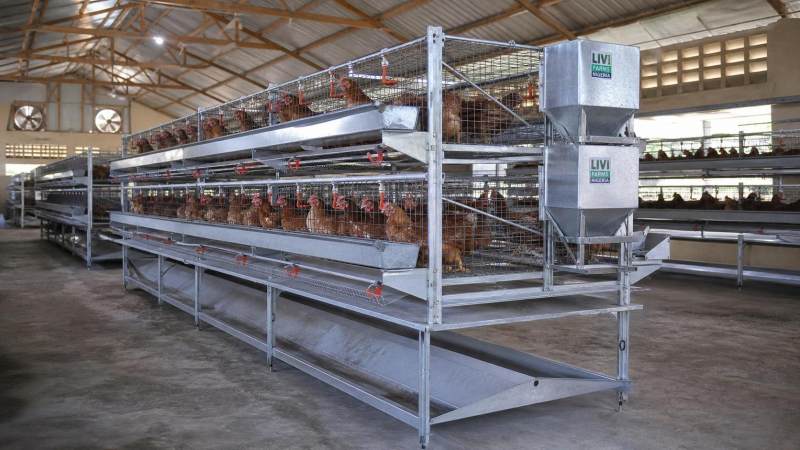
Nigerian poultry farmers often compare local cage prices with imported cage systems. The right choice depends on material strength, bird capacity, anti-rust treatment, accessories, shipping, installation support and long-term farm management.
A poultry cage looks simple from a distance, but it has a direct effect on daily farm work. It controls bird density, feeding access, drinking line placement, egg collection, manure handling and worker movement inside the house. That is why buyers should not judge a cage only by the first quoted price.
In Nigeria, many farm owners search for locally made poultry cage price in Nigeria because they want to control investment and avoid unnecessary import cost. Local cages can be useful in some situations, especially for small farms or urgent replacement needs. At the same time, imported cage systems may offer stronger standardization, better coating, matched accessories and more complete farm layout support.
This guide explains what buyers should check before choosing a chicken cage for sale in Nigeria. It is written for layer farmers, poultry investors and procurement teams who need a practical comparison, not a sales slogan.
Start With Bird Capacity
The first question is not "How much is one cage?" The better question is "How many birds can the system safely hold in this poultry house?" Capacity affects house layout, ventilation, manure handling, feeding line length and total equipment quantity.
A quotation should clearly state the number of birds per cage cell, birds per set, number of sets, total capacity and cage dimensions. If the quote does not show these details, it is difficult to compare one supplier with another.
- birds per cell
- birds per cage set
- total number of cage sets
- row layout and aisle width
house length, width and height requirement
Local Cage Price vs Imported Cage System
Local cage suppliers may offer lower starting prices and faster delivery. They may also be easier to contact for small repairs. This can help small farms that need a basic solution and have workers who can handle manual feeding, egg collection and cleaning.
Imported cage systems often cost more at the beginning, but they may include better design consistency, stronger anti-rust treatment, more precise accessories and options for automatic feeding or manure removal. For commercial farms, these details can affect long-term operating cost.
Material Strength and Anti-Rust Treatment
Cage material is one of the most important buying points. A weak cage may bend, rust or become difficult to repair after several production cycles. In humid regions or houses with poor ventilation, corrosion can appear faster.
Buyers should ask about wire diameter, frame thickness, welding quality and surface treatment. A cage with heavier wire and stronger coating may cost more, but it can reduce replacement and repair problems later.
Do not rely only on photos. Ask for written specifications and, if possible, close-up images or samples of the cage wire, door, trough, frame and drinker connection.
Feeding, Drinking and Accessories
Some cage prices include only the cage body. Others include feed troughs, nipple drinkers, water pipes, connectors and basic installation parts. This difference can make one quote look cheaper than it really is.
A complete cage quotation should show whether the following parts are included:
- feed troughs
- nipple drinkers
- water pipes and pressure regulators
- cage doors and locks
- floor mesh and partitions
- support frame and connectors
spare drinkers or small replacement parts
Manure Handling Should Not Be Ignored
A cage system separates birds from manure better than many floor systems, but manure still needs a practical removal plan. In small farms, workers may clean manure manually. In larger farms, manure belts or scraper systems can reduce labor and improve hygiene.
Manure handling affects ammonia, fly control, worker comfort and disease pressure. A cage price that ignores manure removal may look low, but the farm may pay more in daily labor and sanitation problems.
Ventilation and Heat Stress
Nigeria's climate can make ventilation a serious issue in poultry houses. Cage rows increase bird density, and higher density increases heat and moisture load. Even a good cage system will perform poorly if the house has weak airflow.
Before buying cages, the farmer should consider fan capacity, air inlet design, roof height, stocking density and aisle arrangement. The cage supplier should be able to discuss layout in relation to ventilation, not only cage quantity.
How to Read a Cage Quotation
A reliable quotation should help the buyer understand what is included and what is not included. If the quotation is vague, ask for clarification before paying a deposit.
When an Imported Cage System Makes Sense
Imported systems may make more sense when the farm is planning higher capacity, future automation or a more standardized commercial layout. A project that expects to grow from a small flock to a larger layer operation should think about upgrade paths from the beginning.
For buyers comparing locally made poultry cage price in nigeria, the final decision should include service life, stocking capacity, manure handling, ventilation needs and installation support. A lower first price is useful only when the system can support the farm's daily production.
After-Sales Support and Spare Parts
A cage system becomes part of the farm's daily production routine. If a door breaks, a drinker leaks, a connector is missing or a frame is damaged during installation, the farm needs a practical way to solve the problem. This is why after-sales support should be discussed before the order is confirmed.
Local suppliers may be easier to reach for simple repair work, while imported system suppliers may provide more standardized spare parts and technical guidance. The best choice depends on how quickly the farm can get replacement parts and whether the supplier can explain installation, maintenance and future expansion.
Buyers should ask for a basic spare parts list. Nipple drinkers, pipe connectors, cage locks, door parts and small fittings are not expensive compared with the whole project, but they can stop small issues from becoming daily management problems.
Buyer Checklist Before Choosing a Cage
- Confirm the total bird capacity needed for the farm.
- Measure the poultry house before asking for a cage layout.
- Compare material specifications, not only total price.
- Check whether drinking and feeding accessories are included.
- Ask how manure will be removed from the house.
- Review ventilation requirements for the planned stocking density.
- Confirm spare parts and installation support before payment.
It is also helpful to keep the final quotation and the farm layout drawing together. When the buyer can see cage rows, aisle space, bird capacity and accessory list in one place, it becomes easier to identify missing parts before production starts and avoid costly delays.
Final Thoughts
A chicken cage for sale in Nigeria should be evaluated as part of a working poultry house, not as a stand-alone metal product. The best choice depends on bird capacity, cage material, accessories, manure control, ventilation and long-term management.
Locally made cages can be useful for basic needs, but commercial farms should compare the complete value of each system. A clear quotation, written specifications and layout support can prevent expensive mistakes later.
FAQ
Why do locally made poultry cage prices vary in Nigeria?
Prices vary because of cage size, wire thickness, frame material, coating quality, accessories, labor cost and whether the quote includes installation or spare parts.
Are imported poultry cages better than local cages?
Not always. Imported systems may offer stronger standardization and automation options, while local cages may be cheaper and faster to obtain. Buyers should compare specifications and long-term use, not only price.
What should be checked before buying chicken cages?
Check bird capacity, material strength, anti-rust treatment, accessories, manure removal, ventilation fit, spare parts and installation support.