



Search
Related News
- 00
0000-00
Probiotics Price Guide: What Drives the Cost of Bulk Ingredients? - 00
0000-00
Georgia’s Tomato Import Value Reaches Record for January–October 2026 - 00
0000-00
Health Attributes Drive Innovation in the Cereal Industry - 00
0000-00
French Tomato Output Forecast to Fall in 2026 as Prices Remain High - 00
0000-00
Choosing Food Packaging Lines: Capacity, Product Type and Automation
Tags
Health Attributes Drive Innovation in the Cereal Industry





Major cereal manufacturers are increasingly turning to health attributes to guide product innovation, according to Food Business News, although the timing of the developments described was not specified. The report identifies a commercial response to consumer health awareness, but does not identify a new law, standard, certification requirement or trade rule. For manufacturers, ingredient suppliers and buyers, the development warrants attention as a possible signal of changing product expectations and a reason to review how health-related claims are supported.
Cereal Makers Place Health at the Center of Innovation
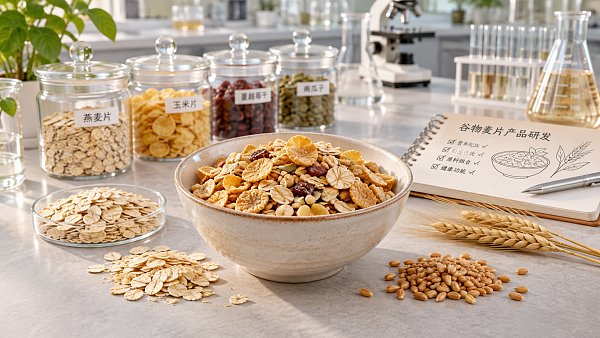
Food Business News reports that General Mills and WK Kellogg are among the major cereal manufacturers increasingly relying on health attributes to drive product innovation. The manufacturers are pursuing this approach to help strengthen sales in the cereal category.
The reported trend reflects growing consumer health awareness and its influence on manufacturers’ research and development priorities and product positioning. The information provided does not specify when the developments occurred.

How Product Expectations Could Reach Across the Supply Chain
Analysis suggests that the immediate development is a shift in commercial priorities. It may influence the specifications used to develop, purchase and present cereal products, even though the information supplied does not establish a change in public rules. The practical effects would depend on the attributes manufacturers choose to emphasize and the requirements that apply to each product and market.
Manufacturers: From Product Ideas to Supportable Claims
For cereal manufacturers, a stronger emphasis on health attributes could affect decisions made from the earliest stages of development. A product team may need to define the attribute it intends to communicate, determine whether the proposed formulation supports that description and assess whether the final presentation remains accurate. These are considerations arising from the reported direction of innovation; the input does not identify particular formulations or claims adopted by either company.
Analysis also suggests that coordination between development, procurement, quality and labeling teams could become more consequential. A promising product concept may be difficult to deliver consistently if the relevant ingredient specifications are unclear or if evidence supporting the proposed claim is incomplete. Manufacturers may therefore find it useful to assess the evidence and supply implications alongside the commercial appeal of a proposed health attribute.
Any review of claims should be tied to the applicable rules for the product and intended market. The report does not establish that those rules have changed, and it does not identify a new approval process or certification. Companies would need to verify any specific obligation independently before treating it as a condition of sale.
Ingredient Suppliers: More Precise Purchasing Information
Suppliers may see closer scrutiny of ingredient information if cereal makers seek to support particular health-related product descriptions. Depending on the product concept, buyers could ask for clearer specifications, documentation or evidence about an ingredient’s characteristics. Such requests would be a possible commercial consequence of product development decisions, not a confirmed requirement arising from the report.
From a procurement perspective, the distinction between a broad marketing goal and a measurable ingredient specification matters. A manufacturer considering a health-oriented product may need to explain what information it needs from a supplier and how that information will be used. Suppliers, in turn, may benefit from identifying where their existing documents answer those questions and where further verification would be needed.
Changes to an ingredient specification could also affect sourcing choices or the time needed to qualify alternatives. Those outcomes are not established by the input. They would depend on the specification selected, supplier capabilities and the buyer’s own verification process. Early discussion could help both parties identify potential documentation or delivery issues before a product concept is finalized.
Buyers and Distribution Partners: Consistency Across Materials
Buyers and distribution partners may need to assess how a manufacturer describes a product and whether the information supplied to them is consistent with the final product presentation. If product positioning changes, descriptions used in purchasing records or sales materials may also need review. The available information does not confirm that any such documents have been changed.
Where a product moves through multiple commercial relationships, a shared understanding of its approved description may reduce the risk of inconsistent claims. Analysis suggests that buyers could ask manufacturers to clarify which statements are supported and whether any product information remains under review. The exact checks would depend on the transaction and applicable requirements.
Turning Health Positioning Into a Reviewable Product
Define the Attribute Before Selecting the Claim
A practical starting point is to distinguish the health attribute a product is intended to offer from the wording used to describe it. A development team can record the proposed attribute, the product characteristics intended to support it and the evidence available at each stage. This creates a basis for reviewing whether the final wording accurately represents the finished product.
That process is a suggested internal check, not a requirement announced in the reported development. Where evidence is incomplete or a formulation remains unsettled, a company may choose to defer a proposed claim until it can assess the final product. The input provides no basis for concluding that a particular claim is permitted, prohibited or already in use.
Check Specifications and Supporting Documents
Manufacturers and suppliers could review whether ingredient specifications and product records contain the information needed to substantiate a proposed description. Depending on the attribute and the applicable requirements, relevant material might include supplier declarations, product specifications or testing documentation. Their suitability would need to be assessed for the particular claim; the report does not prescribe a document list.
It may also be useful to identify who is responsible for maintaining each document and how changes are communicated. If an ingredient or formulation changes during development, the basis for a planned claim may need to be reassessed. This is a precaution for managing consistency, rather than evidence that a documentation failure has occurred.
Verify Applicable Rules Without Assuming a New Mandate
Health-related positioning can raise questions about labeling, substantiation and, in some circumstances, certification. Companies should verify the requirements relevant to their own products and intended markets rather than infer them from the reported trend. The input identifies no specific jurisdiction, regulator, certification scheme or rule change, so it cannot establish which requirements apply.
If a buyer requests a certification or a particular form of evidence, the parties may need to determine whether that request is a contractual condition, an applicable legal obligation or a voluntary product choice. Keeping those categories clear can help prevent a commercial preference from being presented as a new regulatory mandate.
Test Supply and Delivery Assumptions
Before committing to a health-oriented product concept, procurement and development teams could examine whether the intended ingredients and supporting information are available on terms compatible with the project. If an alternative ingredient is considered, its effect on the proposed product description and supporting evidence may also need review.
Such checks may help identify questions about supplier qualification, documentation or lead times. The information supplied does not establish that the trend has caused shortages, delays or trade disruption. Any effect on purchasing or delivery would have to be evaluated against the product and supply arrangement concerned.
A Commercial Signal With Compliance Questions Still Open
At this stage, it is more appropriate to understand the report as a signal of manufacturers’ product positioning than as evidence of an implemented policy or rule change. It points to health attributes as an increasingly important consideration in cereal innovation, while leaving open which attributes are being emphasized, how they are verified and how buyers or consumers will respond.
From an industry perspective, the distinction matters because commercial expectations and legal obligations can evolve separately. A manufacturer may decide to request more evidence from suppliers as part of a product strategy; that decision alone would not establish a new industry-wide standard. Conversely, businesses should not assume that a health-related statement is compliant simply because it reflects a consumer preference. The relevant requirements would need separate verification.
Further observation could focus on how manufacturers describe new products, what information buyers request and whether subsequent official guidance or standards address the claims involved. Market feedback and the ability to deliver products consistently may also influence how far individual product strategies develop. None of these outcomes is settled by the information provided.
What the Cereal Sector Can Take From the Report
The reported emphasis on health attributes gives cereal manufacturers and their partners a reason to examine the connection between product design, supplier information and the claims presented to buyers. Its significance lies in the possible practical questions it raises across those steps, rather than in any identified change to law or certification.
A measured response is to treat the development as a commercial signal that warrants product-specific review. Businesses can prepare by clarifying proposed claims, checking their evidence and verifying applicable requirements, while continuing to monitor how manufacturers and buyers put health-oriented positioning into practice. The information available does not support a definite conclusion about sales results or future regulatory action.
Basis for This Report and Further Verification
This article is based on the user-provided news title, the statement that the event timing was not specified, and the supplied event summary, which attributes the development to Food Business News. No specific official source link was provided in the input, and subsequent verification remains necessary.
Relevant material for continued review could include the underlying media report, manufacturer statements, official announcements, regulatory publications and standard-setting documents, where applicable. Further verification should focus on any relevant policy details or certification interpretations, as well as industry feedback and how companies implement and support health-related product claims.
Want to dive deeper into these market dynamics, or need data-driven support for your next business move? Drop a line below and let the analysts at AFBN provide customized insights.
We respect your privacy. Your information is strictly confidential.
相关推荐
 Probiotics Price Guide: What Drives the Cost of Bulk Ingredients?Compare probiotics price quotes with confidence. Discover the factors driving bulk ingredient costs and calculate the true cost per usable dose.
 Health Attributes Drive Innovation in the Cereal IndustryHealth attributes are driving cereal industry innovation. Explore what this trend could mean for product claims, ingredient sourcing and buyers.
 New York Governor Vetoes Food Safety Bill, Halting Proposed Ban on Three AdditivesNew York food safety bill veto: Explore the proposed additive ban, GRAS disclosure rules and what food businesses should review next.
 China’s New Food Labeling Standard to Ban ‘Zero Addition’ ClaimsChina’s new food labeling standard will ban certain “zero addition” claims from March 16, 2027. Discover what businesses and consumers need to know.