




Search
Related News
- 00
0000-00
Microbial Fermentation Explained: How It Produces Food Ingredients at Scale - 00
0000-00
Protected Cultivation Technology: Which Climate Control Systems Fit Your Crop? - 00
0000-00
Sizing Livestock Ventilation Systems for Heat, Humidity, and Ammonia Control - 00
0000-00
Agri-Food Industry Trends Reshaping Supply Chain Risk and Investment Priorities - 00
0000-00
How to Evaluate Food Processing Suppliers for Capacity, Traceability, and Quality Control
EU Requires Updated CE-EMC for Food Machinery




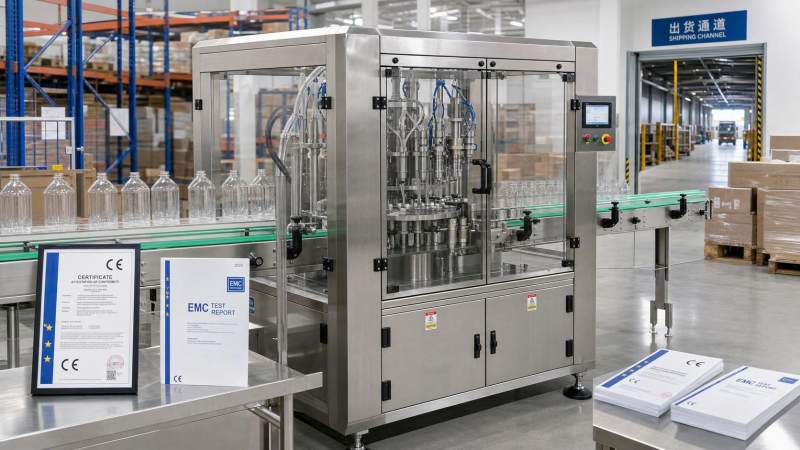
On July 5, 2026, the EU began applying revised EMC requirements to newly declared food processing machinery under EN IEC 61000-6-2:2026 and EN IEC 61000-6-4:2026. The change matters most to exporters, importers, equipment buyers, and compliance teams handling washing, sorting, filling, and sterilization equipment, because products without certification aligned to the updated version may face immediate barriers to customs clearance and market placement.
What Has Formally Taken Effect
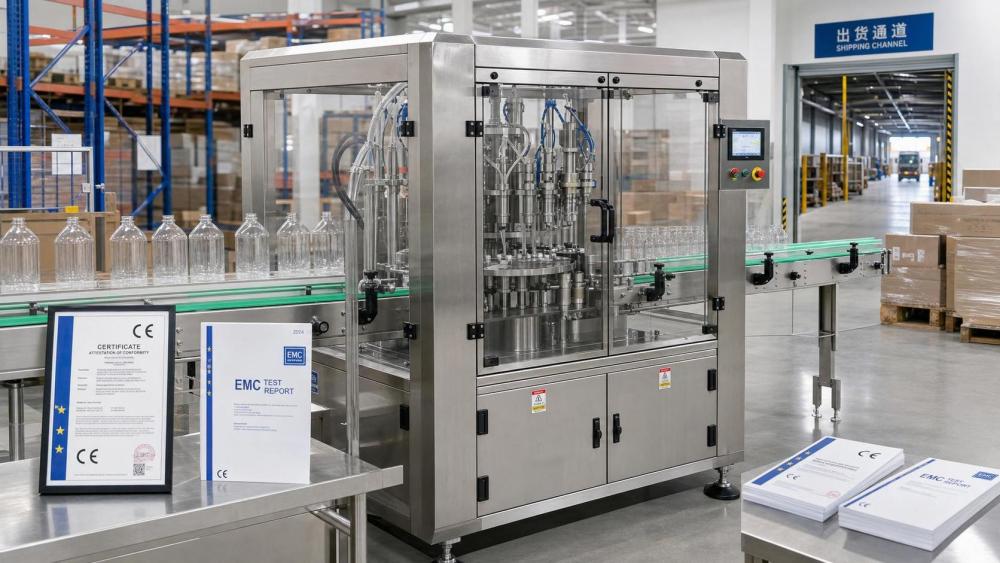
According to the information provided, the EU has officially implemented the revised EN IEC 61000-6-2:2026 and EN IEC 61000-6-4:2026 standards from July 5, 2026. The requirement applies to all newly declared food processing machinery, including cleaning, sorting, filling, and sterilization equipment. These products must pass updated immunity and emission limit testing. The change directly affects the CE certification route for Chinese equipment exporters. Products that do not hold certificates under the revised version cannot be cleared through customs or placed on the market for sale.
Where the Immediate Pressure Falls
Export-facing equipment manufacturers
From an industry perspective, this group is likely to feel the impact first because the rule change is tied directly to CE certification for new declarations. The main pressure point is the export compliance process itself, especially where shipment planning, model declarations, and certification timing are closely linked. What deserves closer attention is whether product documentation and test status match the revised standard before goods move into the EU channel.
Importers and distribution-side operators in the EU market
Analysis shows that importers and channel-side participants may also be affected because customs clearance and product listing are explicitly tied to the updated certification status. The operational impact is likely to appear in product intake, listing readiness, and transaction scheduling. For these parties, the key issue is not only whether equipment has a CE path, but whether that path has already shifted to the 2026 revision.
Equipment buyers and project procurement teams
Observably, buyers sourcing food processing machinery for operational use may face procurement risk if a selected machine has not completed certification under the updated standard. The most sensitive business link is delivery planning, since a product that cannot clear customs or be placed on the market may disrupt installation or commissioning schedules. Procurement teams should therefore pay close attention to certification version alignment during supplier communication.
Compliance, testing, and supply chain service providers
What deserves closer attention is the service layer around certification and cross-border delivery. Although the provided information does not specify individual service arrangements, the rule change clearly increases the importance of version control in testing, documentation, and customs-facing paperwork. For service providers, the immediate concern is whether clients understand that older certification status is not sufficient for newly declared products under the revised requirement.
What Companies Should Review Now
Check which products fall under new declarations
Analysis shows that the first practical question is scope. Companies involved with washing, sorting, filling, and sterilization machinery should identify which models are being newly declared for the EU market and whether those declarations now require testing against the revised immunity and emission limits.
Confirm certificate version and supporting documents
What deserves closer attention is document consistency. Where a product is intended for EU entry or sale, teams should verify whether the certificate and related technical files reflect the 2026 revision named in the new requirement. This is especially relevant in transactions where sales, logistics, and compliance work across different departments or external partners.
Prepare for delivery and customer communication risk
Observably, the rule change is not only a certification issue but also a delivery issue, because the provided information states that products without the updated certificate cannot clear customs or be sold. Companies should therefore pay attention to project timelines, shipment commitments, and customer-facing explanations where certification transition may affect handover dates.
Keep watching for further official wording and implementation detail
From an industry perspective, businesses should distinguish between the confirmed requirement already in force and any later clarifications that may emerge in official wording or market practice. The current confirmed point is the standards change and its effect on new declarations; any broader interpretation should still be checked carefully against subsequent official materials.
Why This Matters Beyond a Single Compliance Update
Analysis shows that this development is more than a routine paperwork adjustment, because it directly links revised EMC testing requirements to customs clearance and market access. At the same time, it is more appropriate to understand this as a concrete compliance threshold already in force for newly declared products, rather than as a distant policy signal. Observably, the broader industry implication still requires continued monitoring, especially in how exporters and buyers adapt their certification and procurement workflows around the revised standards.
How This Update Is Best Understood
At this stage, the most grounded reading is that the EU has raised the practical compliance bar for newly declared food processing machinery entering its market. The confirmed effect is immediate for certification handling and market access, while the wider commercial impact will depend on how quickly affected businesses align documents, testing, and delivery plans. It is more appropriate to understand this as an active market-entry requirement with near-term operational consequences, while keeping longer-term industry implications under observation.
Basis of This Article and What Still Needs Verification
This article is based on the user-provided news title, event date, and event summary. For developments of this kind, relevant source types typically include official regulatory notices, standardization documents, company disclosures, industry association updates, and reporting from authoritative trade media. No specific official source link was provided in the input, so the exact official reference path still needs ongoing verification. What should continue to be watched is any further official clarification on implementation wording, document expectations, and market practice around the revised CE-EMC certification route.