




Search
Related News
- 00
0000-00
Microbial Fermentation Explained: How It Produces Food Ingredients at Scale - 00
0000-00
Protected Cultivation Technology: Which Climate Control Systems Fit Your Crop? - 00
0000-00
Sizing Livestock Ventilation Systems for Heat, Humidity, and Ammonia Control - 00
0000-00
Agri-Food Industry Trends Reshaping Supply Chain Risk and Investment Priorities - 00
0000-00
How to Evaluate Food Processing Suppliers for Capacity, Traceability, and Quality Control
Vietnam Requires Livestock Equipment Pre-Registration




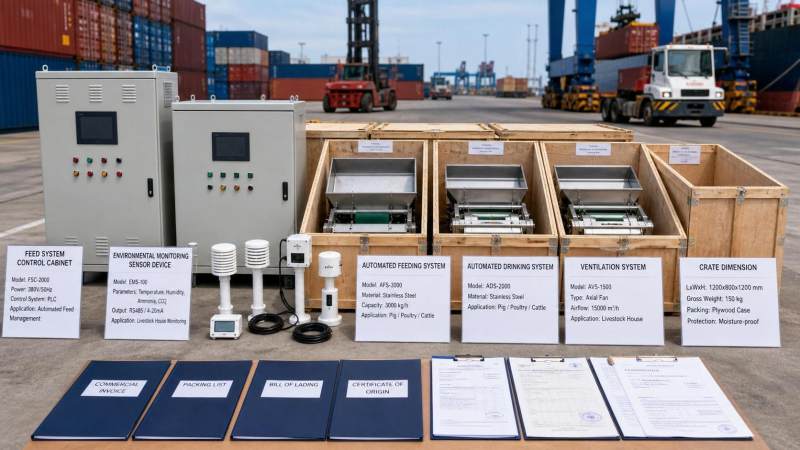
On July 5, 2026, Vietnam’s Ministry of Agriculture and Rural Development (MARD) introduced an immediate compliance requirement for imported livestock automation equipment: specified systems must be registered on the VINA-LIVESTOCK national livestock IoT platform at least 72 hours before arrival. For importers, equipment suppliers, local service partners, and buyers planning deliveries into Vietnam, this is worth close attention because the rule links customs clearance directly to digital filing, document readiness, and pre-arrival coordination.
What the notice now requires
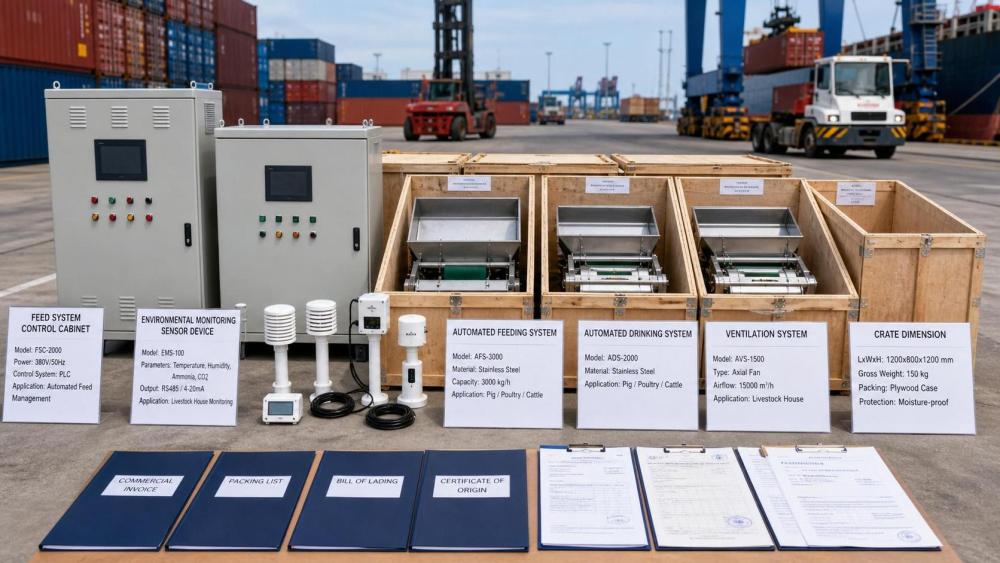
According to Notice No. 88/2026/TT-BNNPTNT issued by MARD on July 5, 2026, imported feeding systems, environmental monitoring systems, milking robots, and manure treatment equipment must complete online registration on the VINA-LIVESTOCK platform no later than 72 hours before the goods reach port.
The filing must include the equipment’s unique ID, a commitment letter from a local service provider, and a Vietnamese-language operating manual.
The notice also states that equipment that has not been registered will be held at the port.
Where the operational pressure is likely to appear
Import transactions now depend on earlier document completion
From an industry perspective, direct trading companies and importers may be affected first because the compliance step sits before cargo arrival rather than after landing. The practical impact is likely to show up in shipment scheduling, filing ownership, and document handoff between overseas suppliers and Vietnam-based import entities.
Suppliers of automated livestock systems face a tighter pre-delivery process
Manufacturers and overseas equipment vendors involved in feeding, monitoring, milking, and manure handling systems may need to pay closer attention to whether each unit can be matched to a unique ID and whether the required Vietnamese-language operating materials are ready before dispatch. Analysis shows the issue is not only product delivery, but also whether the shipment can move through the port without interruption.
Local service partners become more central to market entry
The requirement for a local service provider commitment letter means in-country service capacity is no longer only a post-sale issue. Observably, service providers may become part of the compliance chain itself, with their role affecting filing completeness, delivery timing, and customer expectations around installation and support readiness.
Buyers and project operators may need to watch delivery risk more closely
End users, procurement teams, and project operators purchasing imported livestock automation equipment may be affected through possible timing uncertainty if filing is incomplete before arrival. What deserves closer attention is the interface between procurement commitments, expected commissioning dates, and the importer’s ability to complete registration in time.
What companies should review immediately
Confirm which shipments fall within the listed equipment scope
Companies involved in Vietnam-bound deliveries should first check whether current or near-term shipments include feeding systems, environmental monitoring systems, milking robots, or manure treatment equipment, because those categories are explicitly named in the notice.
Check whether the filing package is complete before cargo arrival
The most immediate practical issue is whether the required materials are already prepared: the equipment unique ID, a local service provider commitment letter, and a Vietnamese operating manual. Where any of these are missing, the commercial schedule may no longer be the only critical path.
Clarify responsibility between supplier, importer, and local partner
Analysis shows companies should distinguish between policy wording and day-to-day execution. The notice establishes the filing requirement, but each transaction still needs a clear internal allocation of who prepares the unique ID data, who secures the local service commitment, and who verifies that the Vietnamese-language manual is ready for submission.
Monitor whether further official clarification changes workflows
What deserves closer attention is whether subsequent official language, implementation guidance, or platform-level instructions further define document format, filing sequence, or review timing. Until that becomes clearer, businesses may need to build additional lead time into shipping and customer communication.
How this should be read at this stage
Observably, this is more than a simple paperwork update because it ties imported livestock automation equipment to a named national platform and makes pre-arrival registration part of the import pathway. At the same time, it is too early to treat the notice as a complete picture of long-term market practice based on the input available here alone.
It is more appropriate to understand this as an immediate operational rule with broader policy signaling potential. The immediate result is clear: listed equipment must be registered in advance or face port detention. The broader industry meaning still requires continued observation, especially around implementation consistency and any further clarification from authorities.
Why the market should keep watching
For now, the clearest industry takeaway is that compliance preparation for livestock automation equipment entering Vietnam has moved earlier in the transaction cycle. This does not by itself confirm a wider regulatory expansion beyond the equipment and filing elements named in the notice, but it does indicate that import execution, service readiness, and documentation control now matter more at the pre-arrival stage.
From an editorial standpoint, this should be read primarily as a near-term operational change with possible longer-term significance. The confirmed fact is the filing obligation and the risk of port detention for non-registered equipment; the wider structural implications remain something the industry should continue to verify.
Basis of this article
This article is based on the user-provided news title, event date, and event summary concerning MARD’s July 5, 2026 notice on VINA-LIVESTOCK registration for imported livestock automation equipment.
For this type of industry update, relevant source categories would typically include official notices, government announcements, company disclosures, industry association updates, authoritative media reporting, and standard-setting documents. No specific official source link was provided in the input, so the exact source document link still needs to be continuously verified. Any subsequent clarification on filing procedures, platform requirements, or enforcement practice also remains a point for follow-up observation.