




Search
Related News
- 00
0000-00
How to Select Agricultural Irrigation Solutions for Water-Limited Farms - 00
0000-00
How to Select Food Plant Sanitation Equipment for High-Risk Processing Areas - 00
0000-00
Selecting Meat Packaging Technology to Extend Shelf Life and Control Leakage - 00
0000-00
Selecting Secondary Dairy Packaging Systems for Hygienic, High-Speed Distribution - 00
0000-00
How to Design Greenhouse Irrigation Zones for Uniform Watering and Lower Waste
Evaluating Mayonnaise for Foodservice Sandwiches: Texture, Stability, Yield




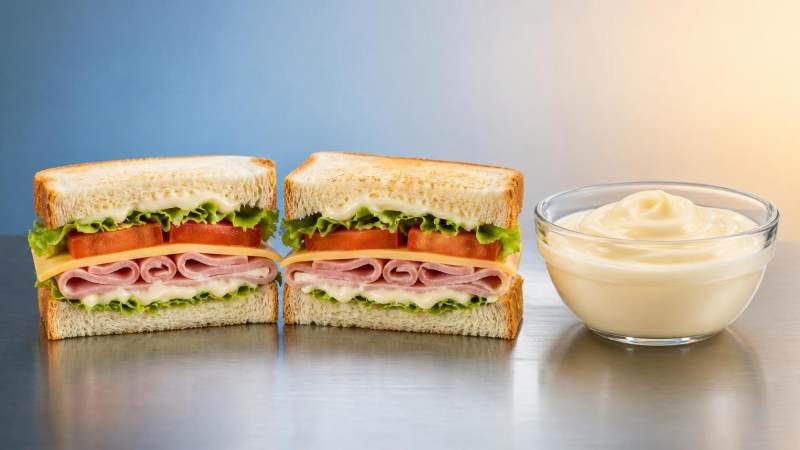
Evaluating Mayonnaise for Foodservice Sandwiches: Texture, Stability, Yield
For foodservice buyers, sandwich condiments are no longer a minor purchasing line. In many operations, mayonnaise affects product consistency, assembly speed, shelf performance, and overall ingredient cost. When sandwiches are produced at scale for cafes, convenience retail, airline catering, institutional kitchens, or central commissaries, small differences in spreadability or oil stability can translate into visible differences on the line. That is why procurement teams are looking more closely at how emulsified dressings perform in real production settings rather than relying on brand familiarity alone.
The issue becomes more important when menus need to balance eating quality with operating discipline. Sandwiches may be prepared ahead of peak hours, packed for transport, displayed in chilled cases, or held for delivery windows. In each of these scenarios, the condiment must support texture and appearance without making bread soggy, filling layers slide, or portion control difficult. A purchasing decision in this category therefore sits at the intersection of culinary performance, waste control, food safety handling, and supply reliability.
A common point of confusion in this evaluation is the difference between mayonnaise and salad dressing. In foodservice, the two may appear interchangeable at first glance because both are used in cold sandwiches, deli items, and prepared fillings. However, buyers usually need to compare them more carefully. Formulation differences often influence mouthfeel, acidity balance, heat tolerance during kitchen handling, and how neatly a spread holds between bread and fillings. For high-volume sandwich programs, treating them as identical can lead to avoidable quality drift across outlets or production batches.
Why Texture Matters More Than It Seems
Texture is often the first characteristic kitchen teams notice, but it also has operational value for buyers. A product that is too loose may squeeze out at the edges, reduce visual appeal, and make packaging less clean. A product that is too thick may slow assembly, tear soft bread, or require more force and more labor to spread evenly. In many sandwich programs, the ideal texture is one that gives a smooth, controlled layer with minimal drag while still holding its place after stacking, wrapping, and short-term storage.
This matters in both made-to-order and prepared-ahead environments. In quick assembly lines, staff need a spread that portions predictably and responds well to squeeze bottles, spatulas, or automated dispensing equipment. In central kitchen production, texture also affects how consistently the condiment combines with proteins, chopped vegetables, or seasonings in sandwich fillings. When the emulsion is unstable or the body is inconsistent from batch to batch, the final product may vary in appearance and bite even if the recipe remains unchanged.
Texture evaluation should therefore move beyond taste-panel impressions. Buyers often benefit from checking how the product behaves on different bread types, including soft pan bread, crusty rolls, wraps, and toasted formats. A spread that performs well on one carrier may behave differently on another. The practical question is not only whether it tastes rich or creamy, but whether it supports a repeatable build under actual production pressure.
Stability Is a Core Quality and Cost Issue
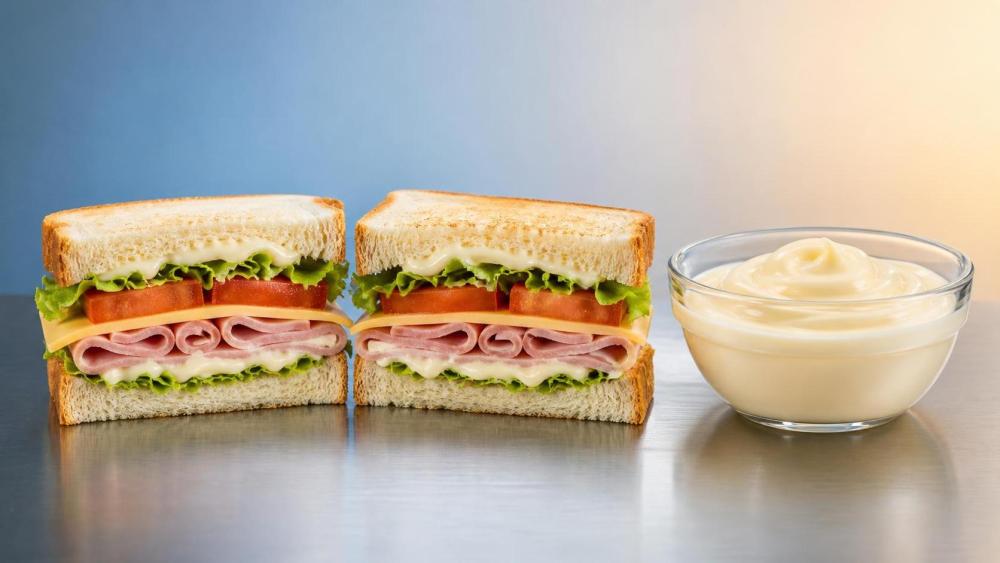
Stability is another purchasing criterion that deserves close attention. In sandwich production, instability may show up as weeping, oil separation, thinning over time, or loss of adhesion between condiment and other ingredients. These issues can become more visible when sandwiches are held under refrigeration, transported between sites, or exposed to repeated opening and closing during service. Even when the product remains safe to use, poor visual stability can weaken customer perception of freshness.
For procurement teams, this creates a direct business concern. A sandwich that loses structure in the pack may generate more complaints, more remakes, and more waste. Fillings that migrate can also affect standard weight and net usable yield because excess product is left in trays, wrappers, or prep containers. In a category where margins are often managed tightly, those losses are worth measuring.
This is also where a structured review of Mayonnaise becomes useful. Buyers comparing options for foodservice sandwiches usually need to assess not only flavor profile, but also emulsion strength, holding behavior, compatibility with acidic or watery fillings, and consistency after repeated handling in the kitchen. Those factors often determine whether a product remains reliable through prep, assembly, storage, and service rather than performing well only at the moment of opening.
Understanding Yield Beyond Pack Size
Yield in condiments is frequently misunderstood as a simple matter of pack cost divided by net weight. In practice, usable yield is shaped by viscosity, spread coverage, dispensing control, and the amount of residue left behind in pails, bags, or bottles. A lower-priced item may appear attractive on paper but perform less efficiently if operators need a heavier application to achieve the same eating experience or visual coverage.
For sandwich programs, yield should be evaluated at the portion level. How many consistent sandwiches can be produced from one unit? Does the product spread thinly without looking sparse? Does it support flavor impact at a modest dosage, or does the kitchen compensate by overapplying? These are more meaningful questions than list price alone. Over thousands of portions, even small overuse rates can narrow or erase a nominal cost advantage.
Packaging format also plays a role. Operations using manual spreading may prioritize ease of scraping and low container loss, while multi-unit chains may value formats that integrate cleanly into standardized dispensing systems. Yield discussions should therefore include labor practicality and waste capture, not just ingredient specification.
Mayonnaise vs Salad Dressing in Foodservice Evaluation
When teams compare mayonnaise with salad dressing for sandwich applications, the key question is not which one is universally better. The better choice depends on menu position, target eating experience, and production method. In many foodservice settings, mayonnaise is selected when a richer mouthfeel, cleaner egg-and-oil profile, or stronger binding performance is required. Salad dressing may be considered when cost structure, sweetness balance, or a lighter sensory profile better fits the menu.
That said, substitution without testing can create unintended consequences. A product with a sweeter or thinner profile may alter the balance of deli meats, cheese, pickles, and vegetable inclusions. It may also change how fillings behave during chilled holding. For operators selling prepacked sandwiches, those differences can be especially important because the condiment influences both initial eating appeal and the condition of the sandwich several hours later.
Procurement teams often benefit from side-by-side trials under ordinary kitchen conditions rather than ideal tasting-room conditions. Testing should include fresh assembly, short holding, and end-of-window assessment. This approach usually reveals whether a lower-cost alternative truly supports the intended product standard.
Practical Criteria for Buyers
A sound sourcing decision often includes a wider checklist than flavor alone. Buyers evaluating sandwich condiments may want to focus on the following points:
- Texture under application: whether the spread applies smoothly and supports portion control.
- Cold-hold stability: whether the product maintains structure during refrigerated display or delivery staging.
- Compatibility with fillings: whether it performs well with high-moisture vegetables, proteins, and seasoned mixes.
- Yield in use: whether the product provides broad coverage and low residue loss.
- Packaging fit: whether the format suits the operation’s prep volume and dispensing method.
- Supply consistency: whether the specification remains stable enough for multi-site menu control.
These criteria are especially relevant for businesses trying to protect product uniformity across shifts, outlets, or regions. In many cases, the most effective purchasing choice is the one that reduces operational variability even if it is not the cheapest item per unit.
Common Evaluation Mistakes
One common mistake is judging a product only on spoon taste. Condiments for sandwiches are functional ingredients, and their value appears in use. Another mistake is overlooking the effect of moisture migration. A spread that tastes acceptable in a sample cup may still underperform when paired with tomato, lettuce, or marinated proteins over a holding period. Buyers also sometimes underestimate the importance of training and dispensing tools; a well-specified product can still generate poor results if the application method is not aligned with its texture.
It is also risky to treat all sandwich formats as a single use case. Premium deli sandwiches, convenience-store triangles, hot-hold breakfast builds, and chilled wraps often place different demands on the condiment system. Standardization has value, but over-standardization can create hidden inefficiencies when one product is forced into too many roles.
A More Useful Decision Framework
For procurement professionals, a practical framework starts with the intended sandwich portfolio. Define whether the priority is premium texture, broad operational tolerance, lower food cost, or a balance of all three. Then run controlled comparisons using the same bread, filling load, portion size, and hold time. Feedback should come from both culinary and operations teams because a product that tastes strong but slows assembly may not be the right commercial choice.
Documentation also matters. Buyers should ask suppliers for clear product specifications, storage guidance, shelf-life information, and consistency expectations across lots. This supports more disciplined qualification, especially for chains, contract caterers, and manufacturers producing sandwiches for resale. A structured review helps reduce the chance of switching costs later.
In the current foodservice environment, ingredient decisions are increasingly tied to labor efficiency and waste reduction as much as flavor. That is why texture, stability, and yield deserve to be assessed together. For sandwich production, the right condiment choice is usually the one that supports repeatable quality on the line, protects the eating experience after holding, and delivers predictable cost performance over time.