



Search
Related News
- 00
0000-00
Probiotics Price Guide: What Drives the Cost of Bulk Ingredients? - 00
0000-00
Georgia’s Tomato Import Value Reaches Record for January–October 2026 - 00
0000-00
Health Attributes Drive Innovation in the Cereal Industry - 00
0000-00
French Tomato Output Forecast to Fall in 2026 as Prices Remain High - 00
0000-00
Choosing Food Packaging Lines: Capacity, Product Type and Automation
Tags
Washington Confirms H5N1 in Grant County Dairy Herd




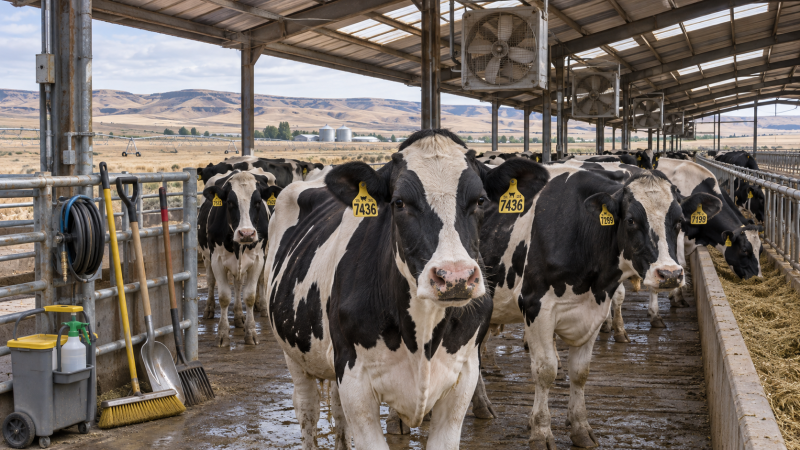
On November 24, 2026, the Washington State Department of Agriculture (WSDA) announced that a dairy herd in Grant County had tested positive for highly pathogenic avian influenza (HPAI H5N1), marking the county’s first identified infection in dairy cattle. WSDA has issued emergency response guidance calling for limits on nonessential movements of lactating animals between farms, avoidance of shared equipment, and closer livestock health monitoring. For dairy farms and their supply-chain partners, the announcement makes animal movements, equipment use, and health information immediate operational concerns, while leaving important questions about implementation to be verified.
First confirmed dairy herd infection in Grant County
WSDA announced the detection on November 24, 2026. The affected herd is located in Grant County, Washington, and the virus identified is HPAI H5N1. According to the information provided, this is the first time the virus has been detected in dairy cattle in the county.
The department has issued emergency response guidance intended to help prevent further spread through the livestock supply chain. The guidance calls for limiting nonessential movements of lactating animals between farms, avoiding shared equipment, and strengthening livestock health monitoring.
These are the measures described in the available information. It does not specify how nonessential movement is to be defined, how the guidance will be enforced, or whether additional testing, documentation, or movement conditions apply.
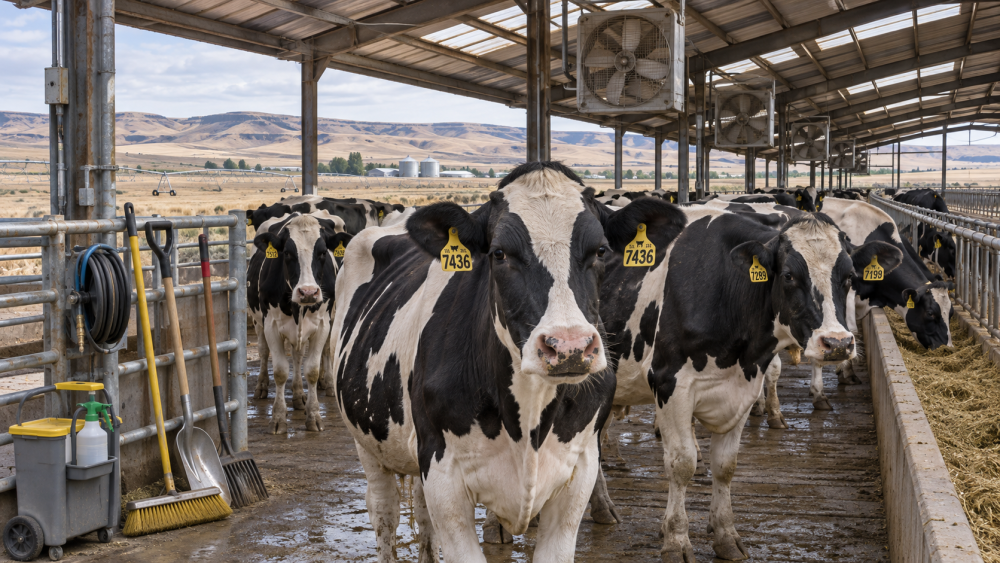
Where the guidance may affect dairy operations
Farm-to-farm movements
From an industry perspective, the most direct operational question concerns movements of lactating animals. Farms planning transfers may need to review whether each movement is necessary and how to apply WSDA’s guidance to the circumstances. A movement considered routine for scheduling purposes may still warrant closer review under the emergency guidance.
Analysis suggests that farms buying, selling, or arranging transfers of animals could face more coordination before a move takes place. Parties may need to exchange health information and confirm their respective plans for monitoring. The input does not establish a permit requirement, a movement ban, or a specific approval process; those details should be checked before being incorporated into contracts or operating procedures.
Where a planned transfer is time-sensitive, the practical concern is whether the parties can complete their assessment in time. A delay is possible, but the announcement alone does not establish that transfers have been delayed or that all movements must stop.
Shared equipment and services
The advice to avoid shared equipment may also affect farms and service providers whose work depends on equipment moving between premises. The immediate question is how to deliver necessary services while respecting the guidance and reducing opportunities for equipment to become a connection between farms.
Operators may need to review which equipment is shared, where it travels, and whether alternatives are available. Depending on the service and the parties involved, this could require changes to scheduling, equipment allocation, or contractual arrangements. Those are potential operational responses, not additional measures confirmed by the announcement.
Businesses that supply or service equipment may also receive more requests for information about how their activities fit a farm’s response plan. The available information does not specify equipment categories, cleaning procedures, or exceptions, so each business should verify the applicable guidance before treating a particular procedure as mandatory.
Purchasing and delivery planning
For buyers and downstream businesses connected to dairy operations, the main issue is uncertainty around the continuity and timing of activities involving affected suppliers. Analysis suggests that a buyer may want to ask suppliers how animal movement decisions, equipment arrangements, and health monitoring are being managed, particularly where those activities affect a planned transaction or service.
Such checks can help parties identify dependencies in a delivery schedule. They do not establish that milk, products, or deliveries are subject to a new restriction: the supplied information describes animal movement, shared equipment, and livestock monitoring, but provides no product-specific trade or delivery rule.
Procurement teams may also need to distinguish between a supplier’s precautionary operating decision and a condition expressly stated by WSDA. That distinction matters when communicating with customers, updating purchasing terms, or assessing whether an alternative arrangement is needed.
Checks to make before changing operating plans
Clarify the movement guidance
Farms and businesses arranging animal transfers should review the available WSDA guidance and seek clarification where its application to a proposed movement is unclear. Useful questions include how the department describes nonessential movement, which animals and movements are covered, and whether further instructions apply to a particular situation.
The information provided does not answer those questions. Until details are verified, businesses can document the purpose and timing of planned movements and identify decisions that depend on clarification. This is a planning suggestion, not a stated recordkeeping requirement.
Map equipment use across premises
A practical review can begin with identifying equipment that is routinely shared between farms and the services that rely on it. Farms and providers can then consider whether equipment can be assigned differently or whether service schedules need adjustment. Any proposed change should be checked against the actual guidance and the operational needs of the parties involved.
Where equipment sharing is part of a service agreement, the parties may also want to discuss who will provide equipment and how a change could affect timing or cost. The announcement does not specify a contractual allocation of responsibility, so those matters remain for the parties to assess in light of verified instructions.
Make health information usable
Because WSDA calls for stronger livestock health monitoring, farms may wish to review how observations are recorded, communicated, and acted upon within their operations. Businesses planning animal movements can consider what information they need from one another to make an informed decision and whom to contact if a concern arises.
The supplied summary does not prescribe a monitoring interval, reporting format, diagnostic test, or notification threshold. Businesses should therefore check current official instructions before adopting any specific detail as a compliance obligation. Keeping the distinction clear can also prevent a voluntary precaution from being presented to a counterparty as an established regulatory requirement.
Review supplier commitments and schedules
Purchasers and service providers can review upcoming commitments that depend on animal transfers or shared equipment. Where a commitment could be affected, an early discussion with the farm may help establish what is known, what still needs clarification, and whether scheduling alternatives are feasible.
If a business considers an alternative supplier or service arrangement, it should assess whether that option can meet its needs and whether it is consistent with the guidance. The announcement does not confirm a shortage or require supplier substitution; any change should be based on the circumstances and verified information.
Emergency guidance is the immediate signal
Editorial analysis suggests that the confirmed detection and the issuance of guidance should be treated as established elements of this announcement. For operational planning, the guidance is a present response signal. The extent of any legally enforceable obligations, however, cannot be determined from the supplied summary alone.
That distinction matters because the announcement identifies the direction of the response without providing a complete implementation framework. Businesses should avoid assuming either that routine practices can continue without review or that every precaution discussed in the industry has become a mandatory condition.
What deserves closer attention is whether subsequent official communications clarify the scope of the movement guidance, equipment-sharing expectations, monitoring practices, and any applicable enforcement or documentation requirements. Industry feedback may also help reveal where businesses encounter practical difficulties, although no such feedback is provided in the input.
Further information could change how farms and their partners assess individual transactions. For example, clarification of a movement category could affect a transfer plan, while a more detailed explanation of equipment use could affect service arrangements. These are possible implications, not outcomes confirmed by the announcement.
Planning around a developing response
The Grant County detection brings a specific livestock health response into focus for dairy farms and businesses connected to them. The immediate practical themes are the necessity of animal movements, the use of shared equipment, and the ability to monitor and communicate about livestock health.
At this stage, it is most appropriate to treat the announcement as a confirmed detection accompanied by issued emergency guidance, with implementation details still requiring verification. Businesses can review exposed activities and prepare questions for the relevant guidance while keeping procurement and delivery decisions proportionate to the information available.
Basis for this report and points to verify
This article is based on the user-provided news title, event date, and event summary. No specific official source link was provided in the input, so the underlying announcement and any subsequent updates still need to be verified. Relevant sources for continued checking may include official announcements and releases from the responsible regulator.
Further review should focus on the wording and scope of the guidance, any additional implementation details, and information about how farms and supply-chain partners are applying it. Any later trade, purchasing, documentation, or delivery implications should be assessed against verified updates rather than inferred from this announcement alone.
Want to dive deeper into these market dynamics, or need data-driven support for your next business move? Drop a line below and let the analysts at AFBN provide customized insights.
We respect your privacy. Your information is strictly confidential.
相关推荐
 Georgia’s Tomato Import Value Reaches Record for January–October 2026Georgia’s tomato import value hit a January–October record of $18.33 million in 2026. Discover what drove the increase and what it means for buyers.
 French Tomato Output Forecast to Fall in 2026 as Prices Remain HighFrench tomato production is forecast to fall in 2026 while prices remain high. Explore what the outlook could mean for sourcing, pricing and deliveries.
 DEFRA Updates 2026 UK Food Security Summary, Tracking Supply ResilienceExplore DEFRA's 2026 UK Food Security Summary and discover how production, trade, energy shocks and extreme weather shape supply resilience.
 Texas A&M Study: EU Dairy Trade Barriers Cost US Farmers BillionsEU dairy trade barriers cost US farmers billions, according to a Texas A&M study. Explore the findings and what they could mean for dairy businesses.