




Search
Related News
- 00
0000-00
How to Specify Stainless Steel Processing Machinery for Hygienic Food Lines - 00
0000-00
How Food Processors Can Improve Throughput Without Compromising Hygiene Control - 00
0000-00
Microbial Fermentation Explained: How It Produces Food Ingredients at Scale - 00
0000-00
Protected Cultivation Technology: Which Climate Control Systems Fit Your Crop? - 00
0000-00
Sizing Livestock Ventilation Systems for Heat, Humidity, and Ammonia Control
GCC Climate Test Rule Nears for Greenhouse Systems




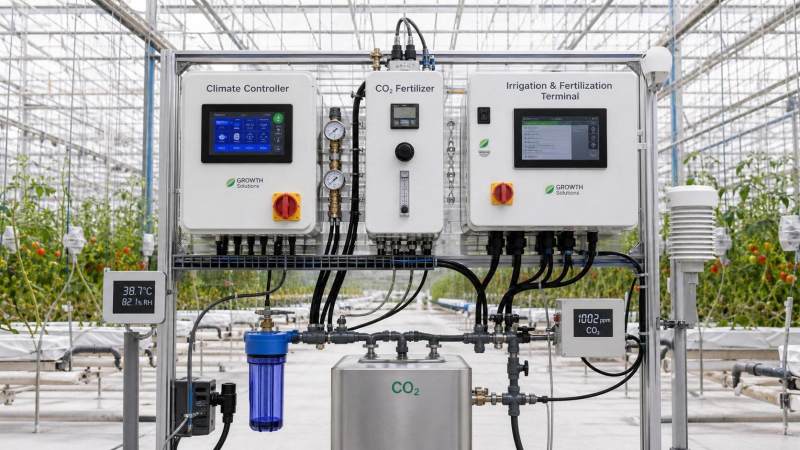
On October 1, 2026, a new compliance threshold will take effect for imported smart greenhouse environmental control systems under SASO 2951:2026. The change matters not only because it adds a mandatory local climate simulation test, but also because it can affect export scheduling, certification preparation, procurement timing, and delivery planning for products such as climate controllers, CO₂ fertilization modules, and fertigation terminals. For suppliers serving the GCC market, the immediate issue is no longer only product specification alignment, but whether testing capacity and compliance timing can be built into commercial execution.
What has been confirmed ahead of the deadline
SASO and GSO have announced that the updated Controlled Environment Agriculture Systems – Technical Requirements standard, SASO 2951:2026, will become mandatory on October 1, 2026.
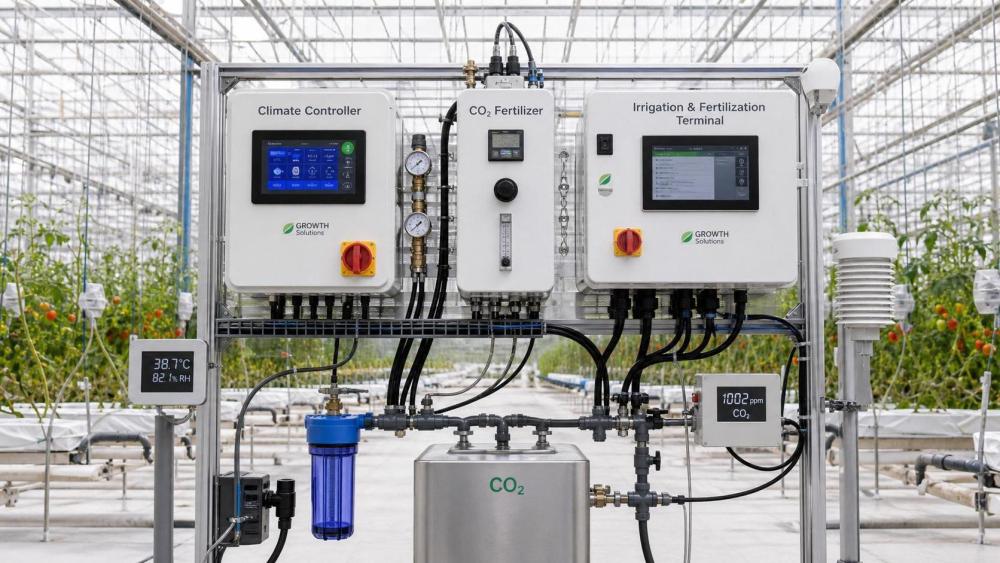
According to the provided event summary, all imported smart greenhouse environmental control systems, including climate controllers, CO₂ fertilization modules, and fertigation terminals, must complete a 72-hour continuous operation verification under 45°C heat and 65% relative humidity.
The required verification must be carried out at designated laboratories in Dubai or Riyadh. The provided information also states that Chinese suppliers need to book test slots in advance, and that the current average waiting period has reached eight weeks.
Where the pressure is likely to appear first
Export-side planning moves closer to the test calendar
From an industry perspective, exporters and direct trading companies may feel the impact first because shipment timing can become tied to laboratory booking and test completion. What deserves closer attention is the shift from a document-led market entry process to one that now includes a location-specific operational verification step. Companies involved in quoting, contracting, and shipment scheduling should pay closer attention to how compliance evidence, technical files, and test timing are reflected in delivery commitments.
Manufacturers may need to revisit product readiness before dispatch
For manufacturers of climate controllers, CO₂ modules, and fertigation terminals, the practical issue is whether equipment intended for export is ready for a 72-hour run under the stated high-temperature and high-humidity conditions. Analysis shows that the impact is likely to appear in product preparation, internal validation, and the completeness of technical documentation supporting testing and certification workflows. Even without additional official detail in the input, the mandatory nature of the test means pre-shipment planning may need to start earlier than before.
Buyers and project procurement teams may need more lead time discipline
Procurement teams, import buyers, and channel-side participants may also need to adjust purchase timing. Observably, an average eight-week test queue introduces a scheduling variable that can affect tender preparation, order confirmation, and delivery coordination. The point to watch is not only whether the equipment meets technical expectations, but whether the supplier has already secured testing arrangements that align with the required market entry timeline.
Testing and compliance service providers become part of delivery risk control
Certification-related service providers and testing support organizations may see greater operational importance because the designated laboratory route is now embedded in market access. Analysis shows that coordination around appointments, report readiness, and compliance file completeness may become more material for exporters than in a purely specification-based transaction. This does not confirm any broader market outcome, but it does indicate a more operational role for testing-related services in cross-border execution.
What companies should watch in the months before enforcement
Check whether the product scope matches the mandatory category
Companies should first review whether the products they export fall within the smart greenhouse environmental control system scope described in the provided summary. That includes the named categories of climate controllers, CO₂ fertilization modules, and fertigation terminals. Analysis shows that scope confirmation is a practical starting point because it affects both compliance preparation and delivery planning.
Build the testing queue into contracts and shipment schedules
What deserves closer attention is the current average eight-week booking cycle mentioned in the input. Companies should treat laboratory scheduling as a live commercial variable when arranging production, shipment windows, and customer commitments. The input does not provide a detailed execution mechanism beyond the booking lead time, so this should be understood as a planning signal rather than a confirmed full process map.
Prepare technical files and test-related documents early
From an industry perspective, suppliers should pay attention to whether technical documentation, product descriptions, and test-supporting materials are organized early enough to support laboratory booking and verification. The provided information does not specify the full document list or report format, so companies should continue to watch for any official clarification on filing, evidence, or certification wording.
Track follow-up wording in tenders and compliance communication
Observably, once a mandatory test requirement is announced with a clear enforcement date, its practical effect often appears in tender language, procurement checklists, and customer-side compliance requests. In this case, the confirmed facts do not yet define all downstream implementation details. Companies should therefore monitor how the requirement is referenced in technical bids, buyer requests, and market-facing compliance communication before assuming a fixed execution pattern.
How this signal is best understood right now
Analysis shows that this development is better understood as an enforcement-stage compliance signal rather than a distant policy discussion. The effective date is defined, the testing condition is defined, the designated testing locations are defined, and the current booking delay is already mentioned in the provided summary. At the same time, it is still appropriate to keep watching for further detail on execution language, documentation expectations, and how consistently the requirement is reflected in procurement and import workflows.
Why this matters beyond the announcement itself
From an industry perspective, the significance of this update lies in the fact that compliance is moving closer to local operating-condition verification for imported greenhouse environmental control equipment. That does not by itself confirm a wider market outcome, but it does indicate that suppliers may need to manage certification timing, lab access, and delivery commitments with more precision. At this stage, it is more appropriate to understand the news as a concrete rule implementation signal with follow-through effects on testing, trade execution, and procurement coordination.
Basis of this article and what still needs verification
This article is based on the user-provided news title, event date, and event summary. For events of this type, relevant source categories commonly include official announcements, regulatory releases, standard-setting organization documents, trade or customs authority information, industry association updates, and reporting by authoritative business or industry media.
No specific official source link was provided in the input, so the exact official publication path still needs to be verified on an ongoing basis. Further observation is also needed on possible implementation details, certification interpretation, changes in tender documents, market feedback, and how companies execute against the requirement in practice.