



Search
Related News
- 00
0000-00
Probiotics Price Guide: What Drives the Cost of Bulk Ingredients? - 00
0000-00
Georgia’s Tomato Import Value Reaches Record for January–October 2026 - 00
0000-00
Health Attributes Drive Innovation in the Cereal Industry - 00
0000-00
French Tomato Output Forecast to Fall in 2026 as Prices Remain High - 00
0000-00
Choosing Food Packaging Lines: Capacity, Product Type and Automation
Tomato Conference Explores Robotics and AI in Greenhouse Growing




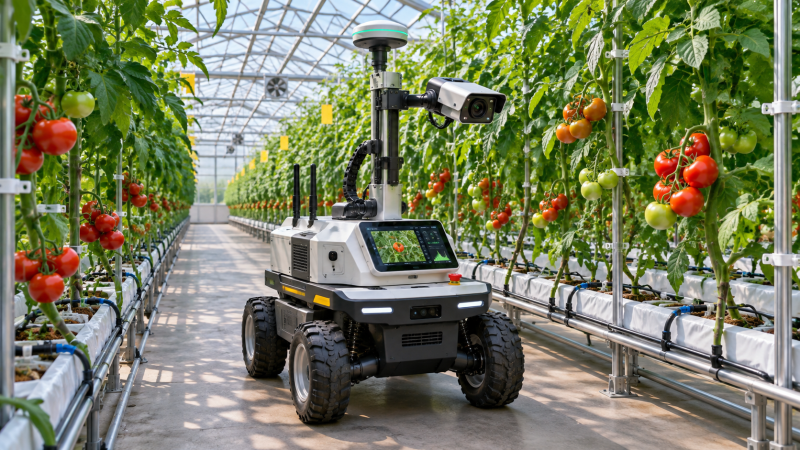
A report published on November 26 described observations by Rabobank’s Lambert van Horen at a tomato conference on the use of robotics and artificial intelligence in greenhouse growing; the date of the conference itself was not specified. The account identifies no new policy, regulation, standard, certification requirement or trade rule. It nevertheless raises practical questions for greenhouse operators, technology suppliers and buyers as they consider how automation could affect production decisions, purchasing specifications and delivery arrangements.
What the conference report described
According to the supplied summary of the report, van Horen shared observations on the application of robotics and AI in greenhouse cultivation. The report discussed how automation and data-driven technologies could help operators optimize production, respond to labor shortages and manage crops with greater precision.
The account presents these technologies in the context of a shift toward smarter greenhouse growing. It does not specify when the conference took place, identify a policy announcement or describe a change to a formal industry rule. Nor does the supplied information identify a particular product, implementation project or technical standard.
Where automation could change commercial expectations
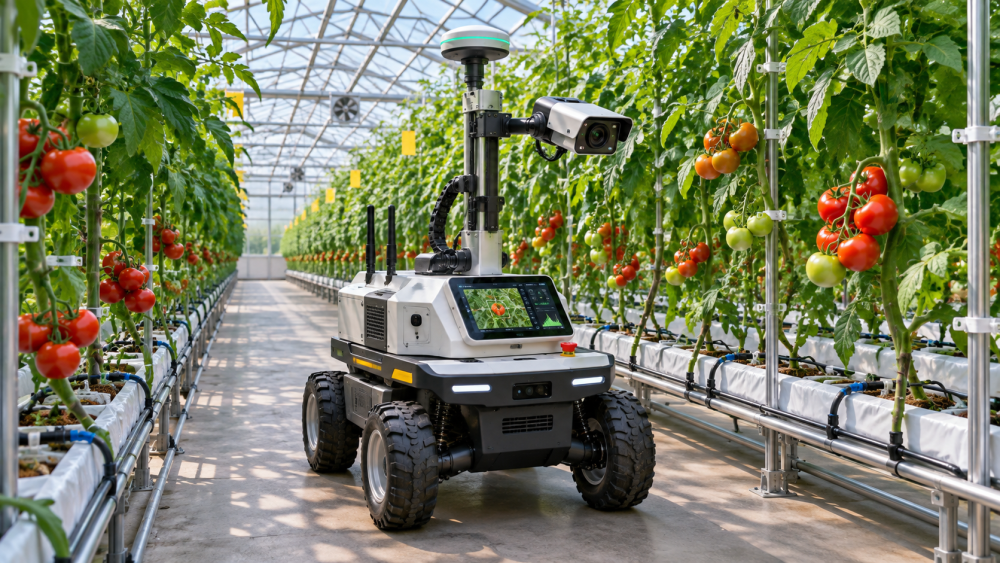
From an industry perspective, the report is a signal to examine how business requirements might evolve around greenhouse technology, rather than evidence that new obligations have already taken effect. Different participants could encounter those questions at different stages, from deciding what a system should do to agreeing who supports it after delivery.
Greenhouse operators and production decisions
For an operator considering robotics or AI, the potential connection to labor shortages and crop management makes the operational scope of a purchase especially relevant. Analysis suggests that a buyer may need to distinguish between a system intended to support a specific growing task and one expected to inform broader production decisions. Those choices could affect the information requested from suppliers and the criteria used to judge whether equipment is suitable.
Before treating automation as a response to a staffing constraint, an operator could assess which tasks still require human judgment, supervision or intervention. Likewise, a claim that data will improve crop management may warrant questions about what information the system needs, how it presents recommendations and who decides whether to act on them. These are evaluation points, not requirements established by the conference report.
Equipment suppliers and system integration
Suppliers and integrators may face closer scrutiny of how proposed equipment and software fit into a greenhouse’s existing workflow. A robot’s physical operation and an AI tool’s use of data could each influence installation, commissioning and ongoing support. Analysis suggests that a proposal describing these dependencies clearly may help a buyer assess the practical scope of a purchase.
Commercial documents could also become an important place to define responsibilities. Buyers may wish to understand what the supplier will deliver, what assistance the operator must provide and how a system will be assessed after installation. The input does not establish that procurement rules have changed; it points to questions that parties could address voluntarily when negotiating a project.
Buyers and downstream supply relationships
Where produce buyers ask how crops are managed, more detailed production information could become relevant to commercial discussions. That possibility does not mean buyers have introduced new documentation, traceability or certification demands. Any such requirement would need to be checked in the applicable contract or procurement material.
Similarly, an operator considering an automated system may want to assess whether information produced by that system can support its existing customer commitments. From a supply-chain perspective, the useful question is whether the information is reliable and usable for the intended purpose, rather than whether a technology is described as intelligent or automated.
Service providers and delivery planning
Installation and after-sales support could become significant purchasing considerations if a system is expected to perform tasks central to daily crop management. A buyer may want to understand how faults are reported, what support is available and what arrangements apply when a component needs attention. These are potential commercial considerations; the supplied report does not describe actual service agreements or delivery delays.
For suppliers, the same questions could shape the way a project is scoped and handed over. A delivery plan that identifies dependencies and responsibilities may make it easier for both parties to evaluate readiness. Whether such provisions are needed, and their terms, would depend on the equipment and the parties’ agreement.
Questions to take into a greenhouse technology purchase
The report provides a reason to examine proposed applications carefully, but it does not provide a technical specification or an implementation timetable. The following points are therefore practical areas for assessment, not new rules announced at the conference.
Define the task and the evidence of performance
An operator could start by identifying the production task, labor constraint or crop-management decision the proposed system is intended to address. Procurement documents might then ask a supplier to explain the conditions under which its solution is intended to operate and how the parties would evaluate performance. This can help keep a purchase focused on a greenhouse’s actual needs without assuming that a result discussed in general terms will occur at a particular site.
Where a supplier makes a performance claim, the buyer may also seek supporting technical information and clarify any assumptions behind it. The supplied summary contains no measured results, so it does not provide a basis for promising a particular improvement in productivity or crop management.
Clarify data use and human oversight
For an AI application, prospective users could review what data the tool needs, who can access its outputs and how staff will use them in decisions. They may also consider what happens when data are incomplete or a recommendation appears unsuitable. These questions connect directly to the report’s discussion of data-driven crop management, while leaving the actual division of responsibility to the parties involved.
Documentation of operating procedures and supplier support may be useful during evaluation and handover. Any applicable data, contractual or other legal obligations would need separate verification against the relevant circumstances; the input identifies no specific requirement.
Check technical documents and applicable requirements
Buyers can ask suppliers for documentation relevant to the proposed equipment, its intended use and its integration with other systems. They may also check whether any applicable certification, testing or other compliance evidence is needed for their particular purchase and operating context. The report does not name a certification scheme or establish a new approval condition.
For a procurement or tender, analysis suggests that it may be useful to distinguish mandatory terms already applicable to the purchase from optional performance preferences. That distinction can help prevent a conference discussion from being mistaken for a binding specification, while still allowing buyers to consider whether their documents adequately describe the technology they want.
Plan delivery and support around operations
Before agreeing to a delivery schedule, an operator could review installation needs, staff preparation, acceptance procedures and support arrangements with the supplier. These points may be particularly relevant when equipment is intended to assist with regular greenhouse work. The parties could also discuss how work would continue if the proposed system were unavailable, subject to the circumstances of the operation.
Such planning does not establish that a disruption will occur or that any particular delivery term is required. Its purpose is to make the proposed responsibilities and dependencies visible before a purchase decision is finalized.
A technology signal, with formal rules still to be verified
Our assessment is that the conference account is best understood as an industry discussion about potential technology adoption, not as evidence of a rule being implemented or of an official enforcement signal. It offers no basis for saying that regulators, standards bodies, buyers or certification providers have changed their requirements for greenhouse operators.
What deserves closer attention is whether later, independently verifiable information translates general interest in robotics and AI into specific purchasing expectations or formal requirements. Relevant developments could include published standards, regulatory statements, certification guidance or changes in buyer specifications. None of those developments is confirmed by the supplied summary.
Market feedback would also matter. If additional reporting becomes available, operators and suppliers could examine what applications were actually discussed, what conditions shaped their use and whether users identified practical limits. Until then, judgments about adoption, compliance costs or supply-chain effects remain provisional.
Keeping the discussion in proportion
The reported remarks connect robotics and AI with three concrete greenhouse concerns: production optimization, labor shortages and more precise crop management. For businesses, their immediate value lies in framing questions for technology evaluation and commercial negotiation. The appropriate response is to assess proposed solutions against individual operational needs and verify any requirements that apply to a specific transaction.
No new policy or industry rule is established in the information provided. The discussion is therefore more appropriately treated as a development to monitor than as a confirmed compliance change or a prediction of a particular market outcome.
Basis for this account and further verification
This article is based on the user-provided news title, the statement that the event date was not specified, and the supplied event summary. The summary identifies a report published on November 26 but does not provide the year or a specific official source link. A specific official source link was not provided in the input, and further verification is needed.
Future checks could include the underlying report and, where relevant, official announcements, regulator publications, standards organization documents, industry association information and authoritative media reporting. Readers should continue to monitor any substantiated changes in policy details, certification interpretation, procurement documents, trade practice and industry feedback before drawing conclusions about implementation.
Want to dive deeper into these market dynamics, or need data-driven support for your next business move? Drop a line below and let the analysts at AFBN provide customized insights.
We respect your privacy. Your information is strictly confidential.
相关推荐
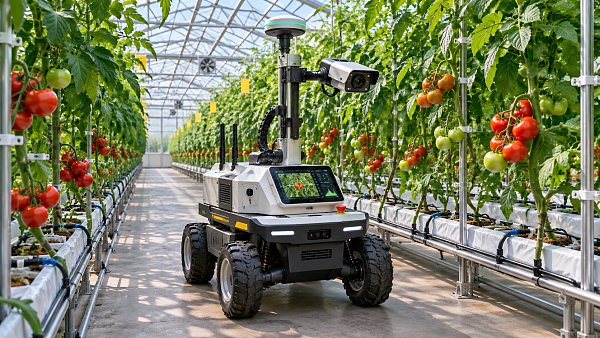
 Tomato Conference Explores Robotics and AI in Greenhouse GrowingGreenhouse robotics and AI take center stage at a tomato conference. Explore their potential for crop management, labor challenges and smarter purchasing.
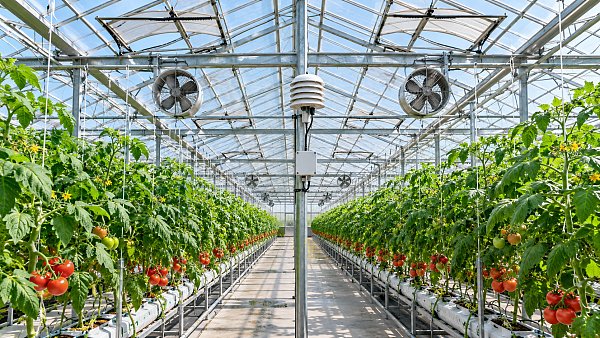
 Controlled Environment Crop Production in Greenhouses: How Climate Control WorksExplore controlled environment crop production greenhouse systems and learn how climate control balances crop quality, energy use, and production stability.
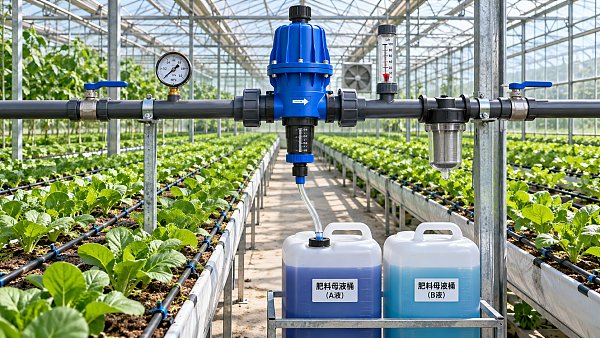
 Choosing a Greenhouse Fertigation Injector: Flow Rate and Dosing RatioChoose the right greenhouse fertigation equipment injector by comparing flow rates, dosing ratios and pressure requirements for accurate nutrient delivery.
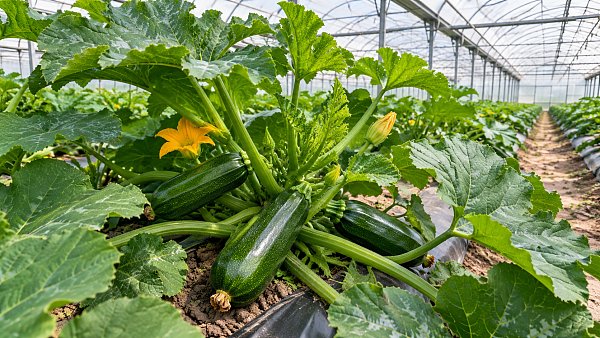
 French Zucchini Output Forecast to Fall 8% in 2026 to Five-Year LowFrench zucchini production is forecast to fall 8% in 2026 to a five-year low. Explore what the smaller crop could mean for growers, buyers and prices.