




Search
Related News
- 00
0000-00
How to Select Agricultural Irrigation Solutions for Water-Limited Farms - 00
0000-00
How to Select Food Plant Sanitation Equipment for High-Risk Processing Areas - 00
0000-00
Selecting Meat Packaging Technology to Extend Shelf Life and Control Leakage - 00
0000-00
Selecting Secondary Dairy Packaging Systems for Hygienic, High-Speed Distribution - 00
0000-00
How to Design Greenhouse Irrigation Zones for Uniform Watering and Lower Waste
Tags
Poultry Farming Ventilation Problems and How to Fix Them




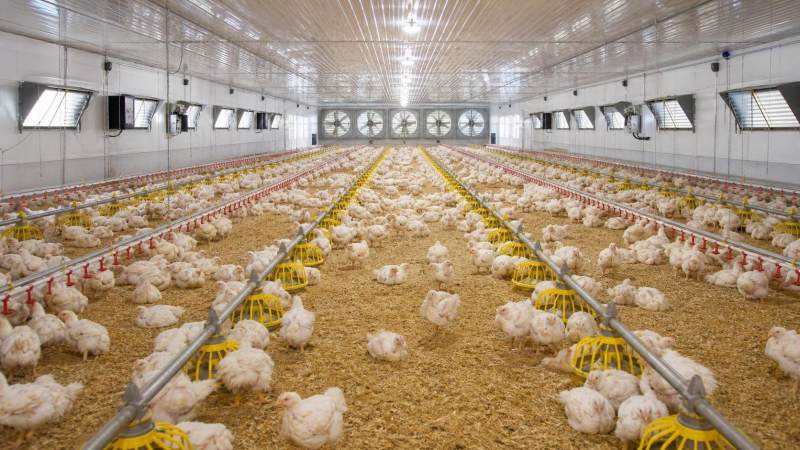
Poultry Farming Ventilation Problems and How to Fix Them
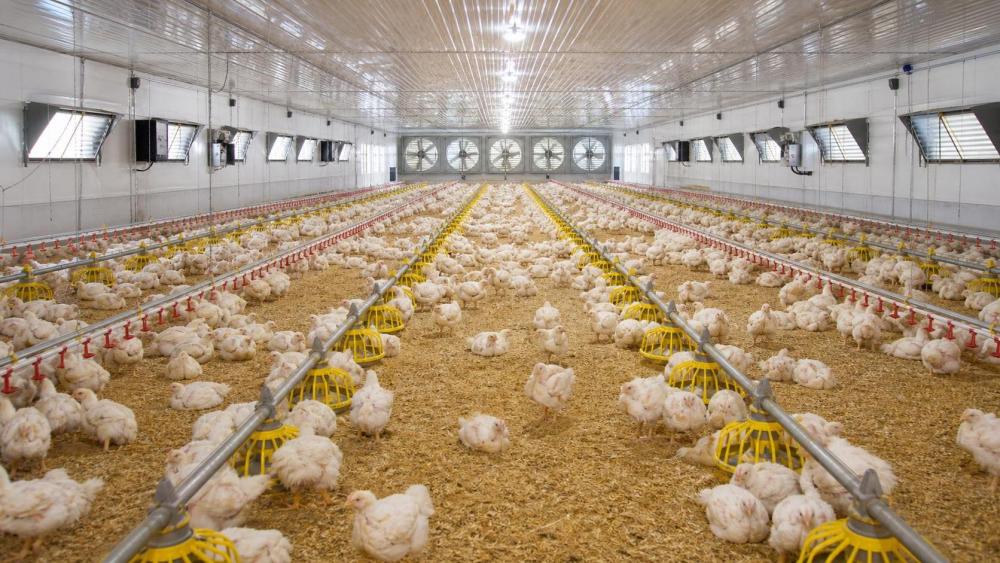
In poultry farming, ventilation problems can quickly damage flock performance.
Heat stress, wet litter, ammonia, and stale air often appear together.
When airflow is uneven, birds eat less, grow unevenly, and become harder to manage.
That is why poultry farming ventilation deserves daily attention, not occasional checks.
Good ventilation is not only about moving air.
It is about controlling temperature, moisture, dust, gas levels, and air speed at bird level.
This article explains common poultry farming ventilation problems and practical ways to fix them.
Why Ventilation Matters in Poultry Farming
Every poultry house produces heat, moisture, dust, carbon dioxide, and ammonia.
If those loads stay inside, the house environment declines fast.
In broiler and layer systems, poor ventilation can reduce feed conversion and raise mortality.
It also increases bedding moisture, footpad lesions, and disease pressure.
From an operating view, poultry farming ventilation supports both bird welfare and production economics.
If the house cannot maintain stable air conditions, every other management decision becomes less effective.
Problem 1: Hot Spots and Heat Stress
One of the most common poultry farming ventilation problems is uneven temperature.
Birds may crowd away from hot zones or pant heavily during warm afternoons.
This usually means airflow is not reaching the full house length or width.
Tunnel fans may be undersized, dirty, poorly staged, or partly blocked.
Inlet openings may also be set wrong, reducing air speed and mixing.
How to fix it
- Check fan belts, shutters, blades, and motor performance every week.
- Measure static pressure and confirm the system matches the house design.
- Adjust inlets so incoming air travels across the ceiling before dropping.
- Seal side leaks that weaken tunnel airflow and reduce cooling speed.
- Review stocking density if birds consistently overload the cooling capacity.
In practical poultry farming, heat stress often starts before operators notice obvious losses.
Problem 2: Wet Litter and Excess Humidity
Wet litter is another strong warning sign in poultry farming ventilation management.
If moisture is not removed, ammonia rises and bird comfort drops.
The cause is often low minimum ventilation during cool weather.
Many houses reduce fan runtime to save fuel, but moisture then stays trapped inside.
Leaking drinkers and poor floor drainage can make the problem worse.
How to fix it
- Maintain minimum ventilation to remove moisture even during cold periods.
- Use timers or controllers that balance heat cost with air exchange needs.
- Inspect nipple lines, pressure settings, and spillage around drinkers.
- Replace compacted bedding and correct drainage near walls and entrances.
- Monitor relative humidity instead of relying only on temperature readings.
Better moisture control usually improves litter quality, foot health, and odor conditions at the same time.
Problem 3: Ammonia Buildup and Poor Air Quality
Ammonia is one of the most expensive hidden problems in poultry farming.
It irritates eyes and airways, reduces immunity, and slows performance.
If operators smell ammonia at entry, birds have already faced it for hours.
This problem usually comes from wet litter, weak airflow, or poor air distribution near the floor.
How to fix it
- Start with litter moisture, because ammonia control begins there.
- Verify that fresh air reaches bird level without causing chilling.
- Clean fans and check whether ventilation stages activate on time.
- Use gas meters when possible instead of depending only on smell.
In larger poultry farming operations, routine air-quality measurement supports faster correction and better benchmarking.
Problem 4: Drafts at Bird Level
Not all airflow is helpful.
During brooding or cool weather, direct drafts can chill birds and reduce feed intake.
This often happens when inlets open too wide or throw air too low.
It can also happen when sidewall leaks create uncontrolled cold air entry.
How to fix it
- Set inlet opening angles to achieve proper air jet direction.
- Use smoke tests to see how air moves inside the house.
- Seal curtains, doors, and joints that allow random cold leaks.
- Check chick behavior often, especially after ventilation setting changes.
A simple smoke test can reveal more than a control panel screen.
Problem 5: Dead Zones and Uneven Air Distribution
Some poultry farming houses have corners or side areas with weak air movement.
These dead zones create uneven bird growth and inconsistent litter conditions.
Obstructions, poor fan placement, and damaged inlet systems are common causes.
Older houses often show this issue after years of small modifications.
How to fix it
- Walk the house during different ventilation stages, not only one setting.
- Map temperature, humidity, and air speed in several locations.
- Remove equipment or storage blocking the intended air path.
- Repair nonworking inlets and rebalance fan operation by zone.
More consistent airflow usually leads to more uniform flocks and easier management decisions.
Problem 6: Fans Running, But Performance Still Poor
Sometimes poultry farming ventilation looks active, but the house still performs badly.
This often means actual fan output is far below the rated capacity.
Dust on shutters, worn belts, damaged blades, and electrical issues all reduce airflow.
A house may appear ventilated while birds still experience stale conditions.
How to fix it
- Create a preventive maintenance routine for every fan and motor.
- Replace worn belts before they slip and reduce output.
- Clean shutters and blades so they open and rotate freely.
- Compare measured airflow with design targets, not assumptions.
In modern poultry farming, maintenance is part of ventilation strategy, not a separate task.
A Practical Ventilation Checklist for Daily Use
The easiest way to improve poultry farming ventilation is to build a simple routine.
Short checks often prevent larger losses later.
- Look at bird behavior before looking at the controller.
- Smell the air at entry and near litter level.
- Check fan operation, belt condition, and shutter movement.
- Review inlet opening consistency across the building.
- Inspect litter moisture around drinkers, walls, and corners.
- Compare temperature and humidity readings in multiple points.
These checks are simple, but they make poultry farming ventilation far more predictable.
They also help teams spot whether the issue is airflow, equipment, moisture, or building leakage.
When to Upgrade the Ventilation System
Some poultry farming ventilation problems come from design limits, not poor management.
If the house struggles every season, the system may no longer fit production goals.
More obvious signs include chronic heat stress, repeated wet litter, and unstable flock uniformity.
At that point, upgrading fans, controls, inlets, or insulation may offer better returns than constant patching.
In larger operations, benchmarking airflow performance across houses can show which units need priority investment.
This kind of structured review supports smarter poultry farming decisions and more stable output.
Final Thoughts
Most poultry farming ventilation problems start small, then spread into bigger performance losses.
The good news is that many fixes are practical and easy to apply.
Clean fans, correct inlet settings, moisture control, and regular observation make a real difference.
In day-to-day poultry farming, better ventilation protects birds, stabilizes growth, and reduces avoidable risk.
Start with the most visible warning signs, measure what you can, and improve the system step by step.