



Search
Related News
- 00
0000-00
Probiotics Price Guide: What Drives the Cost of Bulk Ingredients? - 00
0000-00
Georgia’s Tomato Import Value Reaches Record for January–October 2026 - 00
0000-00
Health Attributes Drive Innovation in the Cereal Industry - 00
0000-00
French Tomato Output Forecast to Fall in 2026 as Prices Remain High - 00
0000-00
Choosing Food Packaging Lines: Capacity, Product Type and Automation
Choosing Stainless Steel Food Cutting Equipment: Capacity and Hygiene




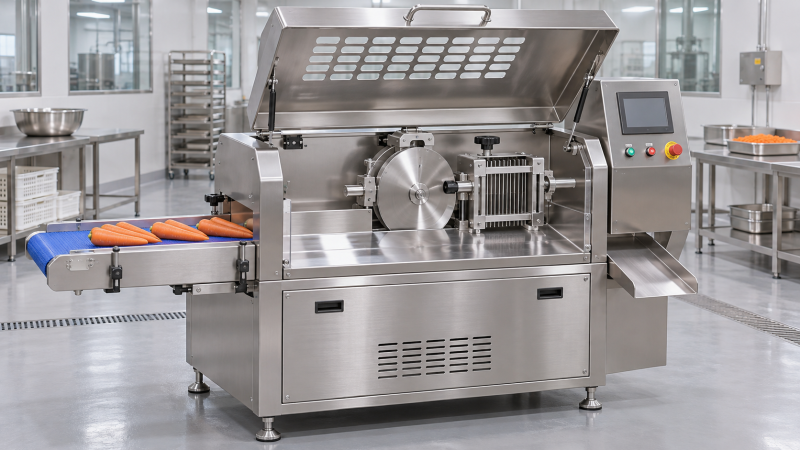
Choosing stainless steel food cutting equipment requires more than comparing nominal throughput. The right machine must handle target product volumes while supporting consistent cuts, efficient cleaning, and food safety controls. Equipment design, material grades, product characteristics, and downtime all influence real-world performance. A cutter that looks generous on a specification sheet can become the limiting step once changeovers, blade maintenance, and sanitation are included.
The practical question is not simply how fast a machine can run. It is how much acceptable product it can deliver during the available production window, under the cleaning and operating conditions of the actual plant.
Start with the product, not the advertised capacity
Capacity figures are meaningful only when their test conditions are clear. Ask suppliers which product, feed method, cut size, blade configuration, and operating speed were used to establish the stated output. A machine rated on firm carrots may behave quite differently with ripe tomatoes, chilled meat, leafy greens, or a sticky protein formulation.
Product temperature is especially easy to underestimate. Chilled or partially frozen material may cut cleanly within a narrow temperature range but resist feeding or smear when conditions drift. For vegetables, variation in size and firmness can affect both orientation and cut consistency. For meat, fat content, connective tissue, and incoming dimensions influence how the product passes through the cutting zone.
Define the required output in terms the downstream process can use: acceptable slice thickness, dice size distribution, percentage of fines, and any limits on bruising or tearing. Then establish how these will be measured. A high gross throughput is less attractive if a substantial share must be reworked, downgraded, or discarded.
For example, a prepared-salad line may value intact leaf edges and controlled bruising over the highest possible belt speed. A soup producer may accept more variation in vegetable dimensions, provided the pieces cook consistently and do not obstruct the filling system. Neither requirement is inherently better; they lead to different equipment choices.
Translate hourly output into usable shift capacity
A cutter does not operate at its nameplate rate for every minute of a shift. Product loading, stoppages, blade changes, inspections, sanitation, and restart checks all consume time. When comparing machines, use the same production schedule and assumptions for each proposal.
A useful planning calculation is: acceptable output per shift = verified operating rate × actual cutting time × acceptable product yield. The operating rate should reflect the intended product and cut, not the supplier’s most favorable demonstration. Cutting time should exclude planned interruptions; yield should account for pieces that meet the agreed specification.
This calculation is a planning tool, not a substitute for a trial. It helps expose trade-offs: a faster machine with a lengthy allergen changeover may deliver less usable output across several short batches than a slower machine designed for quick, verifiable disassembly. Conversely, a high-capacity continuous cutter may make sense on a long run where sanitation and setup are less frequent.
Check the rest of the line before adding a capacity margin. If upstream washing cannot supply product steadily, or downstream weighing and packaging cannot absorb the discharge, the cutter may cycle between starvation and accumulation. Both conditions can make nominal capacity irrelevant. Discuss surge handling, infeed presentation, and discharge height with the line integrator rather than treating them as installation details.
Stainless steel is a starting point, not a hygiene guarantee
Stainless steel is widely used because appropriate grades can provide corrosion resistance and withstand demanding food-processing environments. But the grade named in a brochure does not describe the whole machine. Ask which materials are used for food-contact surfaces, blades, fasteners, guards, seals, belts, and other parts exposed to product or cleaning chemicals.
Grades such as 304 and 316 are common discussion points. The right choice depends on exposure to ingredients, chlorides, cleaning chemistry, temperature, and contact time. Grade 316 can offer greater resistance to certain corrosive environments, but specifying it does not remove the need to control chemical concentration, rinsing, or standing water. Blade steels may also differ from the frame material because edge retention and mechanical properties matter. Request the material specification for each relevant component rather than assuming the entire cutter uses one grade.
Surface finish and fabrication deserve equal attention. Rough welds, damaged surfaces, overlapping joints, and inaccessible gaps can retain residue even when the surrounding metal is corrosion resistant. Ask to see the product path with guards removed, including the underside of conveyors and areas around shafts. If a surface is described as polished or hygienic, establish what finish is actually supplied and how it is checked.
Non-metal components are often the weak point in an otherwise well-built machine. Confirm that seals, scrapers, and belts are suitable for their intended food-contact use and compatible with the site’s cleaning process. Also ask how wear or damage is detected and how frequently parts should be inspected or replaced.
Inspect cleanability where residue actually collects
A sanitary-looking exterior can conceal difficult areas around blade hubs, belt returns, bearings, and discharge chutes. During evaluation, follow both the product path and the cleaning-water path. Look for horizontal ledges, hollow sections that are not effectively sealed, exposed threads near food, and locations where liquid can remain after rinsing.
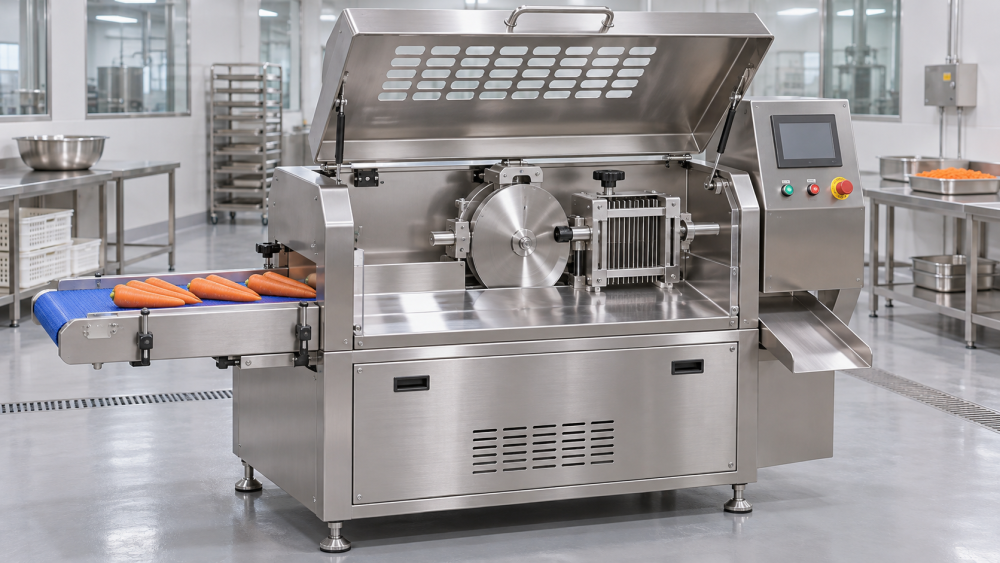
Ask the supplier to demonstrate removal of the parts that must be cleaned between runs. Tool-free access can save time, but only if components can be removed safely, handled without damaging cutting edges, and reinstalled correctly. A cover that opens easily is of limited value if the sanitation team still cannot reach behind the blade assembly.
The cleaning method must match the machine. Do not assume a cutter is suitable for high-pressure washdown, foaming chemicals, or clean-in-place simply because it is made of stainless steel. Verify the supplier’s permitted methods and protection of electrical and mechanical components. Where manual cleaning is required, allow enough space around the equipment for access and safe handling of guards and blades.
Allergen changeovers and raw-to-ready-to-eat separation deserve particular scrutiny. Visible cleanliness alone may not establish that a cleaning procedure is effective. The plant’s food safety team should determine appropriate validation and verification methods for the product, hazard, and process; the equipment supplier should show that the necessary surfaces can actually be accessed.
Cut quality, blade design, and maintenance are linked
Blade geometry and feed presentation influence whether product is sliced, torn, compressed, or pushed aside. Higher speed can raise output, but it may also increase fines or damage delicate material. A successful test therefore needs to examine the discharged product, not just the machine’s speed display.
Review how blade condition is assessed, how sharpening is controlled, and whether the design requires replacement rather than resharpening. Find out whether a blade change alters cut settings and whether operators need alignment tools or specialist assistance. Keep the cost and availability of complete blade sets in the comparison, including lead times for less common configurations.
Food safety and maintenance teams should also consider foreign-material risks. Cutting components wear, fasteners can loosen, and brittle non-metal parts can break. The machine’s inspection points and maintenance records should fit the site’s existing controls. If metal detection or another inspection step is planned, assess its placement and limitations as part of the wider line design; it does not replace preventive maintenance.
Use a realistic supplier trial to settle the trade-offs
A worthwhile acceptance trial uses representative product, including the normal range of incoming sizes and temperatures. Agree on the feed arrangement, blade condition, target cut, sampling method, run duration, and acceptance criteria before the test. If the supplier cannot reproduce the plant’s infeed or downstream conditions, record those limitations rather than treating the result as a guaranteed line rate.
Include the less convenient parts of the operating cycle. Time a change of cut size, inspect product buildup during the run, and observe disassembly and reassembly. Where possible, have the people responsible for production, maintenance, sanitation, and quality review the demonstration together. Each group is likely to notice a different source of downtime or risk.
Before approving a purchase, resolve these points in writing:
- Which product and operating conditions support the quoted throughput, and how is acceptable cut quality defined?
- Which areas require manual cleaning, what must be removed, and what access is needed around the machine?
- What materials and replacement parts are supplied for the product-contact path, including blades and seals?
- What utilities, guarding, controls, and integration interfaces are required at the installation site?
- What training, documentation, spare parts, and service response are available in the operating region?
Relevant food-contact, machinery-safety, and hygienic-design requirements vary by market and application. Ask suppliers for supporting documentation and confirm applicability with the plant’s compliance team; a general statement that equipment is “food grade” is not enough to establish compliance for every component or jurisdiction.
A line-level view is particularly useful here. As AFBN’s coverage of food processing and supply chains reflects, a cutting decision affects washing, inspection, packaging, cold storage, and labor planning as well as the machine itself. The strongest choice is the one whose demonstrated output, cleaning access, and support arrangements fit those connected operations—not necessarily the one with the highest figure in the brochure.
Want to dive deeper into these market dynamics, or need data-driven support for your next business move? Drop a line below and let the analysts at AFBN provide customized insights.
We respect your privacy. Your information is strictly confidential.
相关推荐
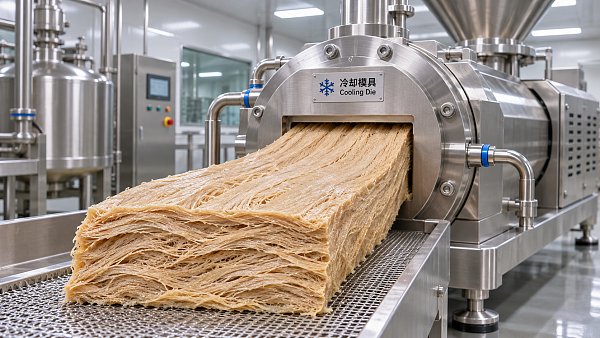
 How Extrusion Processing Creates Texture in Plant-Based MeatExplore plant-based processing extrusion and discover how moisture, heat and cooling shape meat-like texture, plus what to consider when evaluating equipment and scaling production.
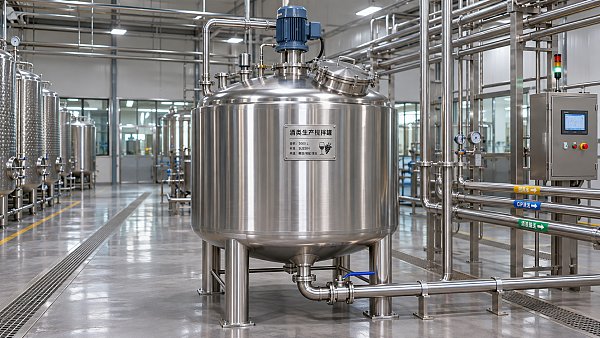
 Specifying Stainless Steel Mixing Tanks for Alcohol ProductionSpecify stainless steel mixing tanks for alcohol production with confidence. Explore agitation, cleaning, safety and supplier criteria for a better investment.
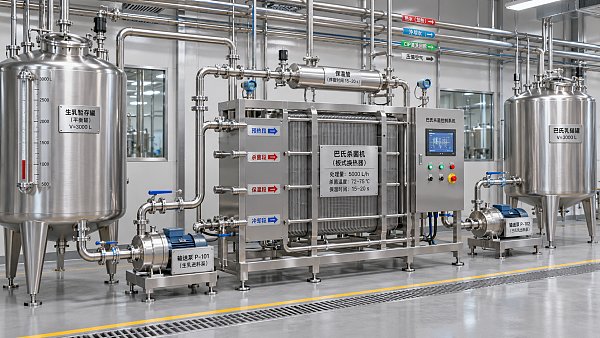
 Dairy Equipment Price Guide: Budgeting for Machines and InstallationCompare dairy equipment prices beyond the machine quote. Learn how to budget for installation, utilities, startup, and ownership costs before you buy.
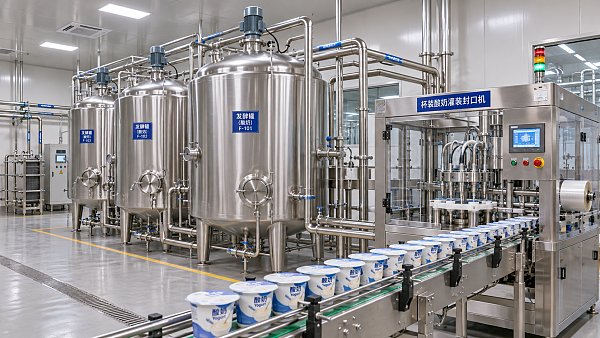
 Choosing a Yogurt Processing Line: Capacity, Product Types and EquipmentCompare dairy processing lines for yogurt by capacity, product type and equipment. Discover key factors for selecting a reliable, scalable production line.