



Search
Related News
- 00
0000-00
Probiotics Price Guide: What Drives the Cost of Bulk Ingredients? - 00
0000-00
Georgia’s Tomato Import Value Reaches Record for January–October 2026 - 00
0000-00
Health Attributes Drive Innovation in the Cereal Industry - 00
0000-00
French Tomato Output Forecast to Fall in 2026 as Prices Remain High - 00
0000-00
Choosing Food Packaging Lines: Capacity, Product Type and Automation
Commercial Poultry Equipment Suppliers: An Evaluation Framework




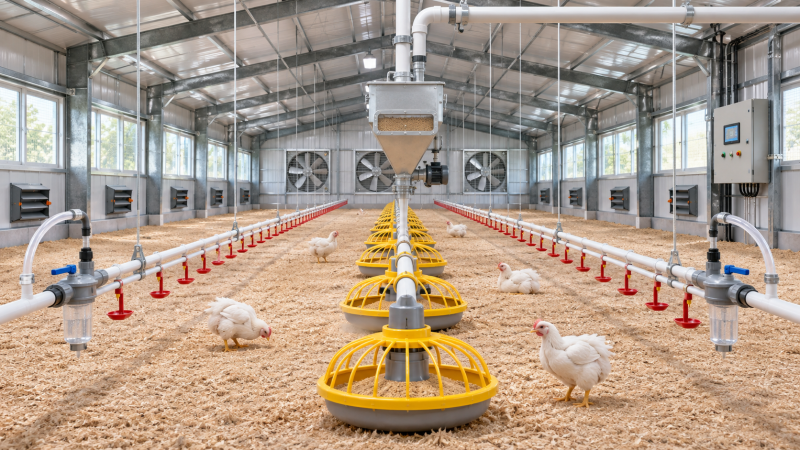
A poultry equipment quote is difficult to evaluate when one supplier prices a complete, commissioned system and another prices only the main components. The difference may not become obvious until installation begins, a control panel proves incompatible, or a replacement part is needed during a production cycle.
A useful evaluation framework starts with the operating requirements of the house, then compares suppliers on a consistent scope, verifiable technical information, delivery capability and support. The lowest initial price remains relevant, but only after the buyer has established what that price includes and which risks remain with the farm.
Define the production system before requesting prices
Equipment requirements change with bird type, production stage, housing design and management practice. A broiler house, a layer facility and a rearing house may all need feed, water and environmental controls, but their layouts and operating demands are not interchangeable. A system suitable for a new building may also be difficult to retrofit into an existing house with fixed columns, limited service access or an undersized electrical supply.
Prepare a common request for quotation that describes the intended use rather than asking only for a list of products. Include the house dimensions, planned bird capacity, flock type, local climate conditions and available utilities. Identify whether the project involves new construction, replacement in stages or expansion alongside operating houses.
Give suppliers the same site drawings and identify uncertain information. If water pressure varies or the electrical supply is subject to interruptions, say so. Suppliers can then state their assumptions instead of silently designing around different conditions. Ask each bidder to flag missing inputs and explain how unresolved conditions could affect its proposal.
The scope should distinguish equipment supply from civil works, wiring, plumbing, installation and commissioning. When comparing commercial poultry equipment suppliers, product categories such as feeding, drinking, housing and related farm equipment provide a starting point; the procurement decision still depends on the configuration and services included in each bid.
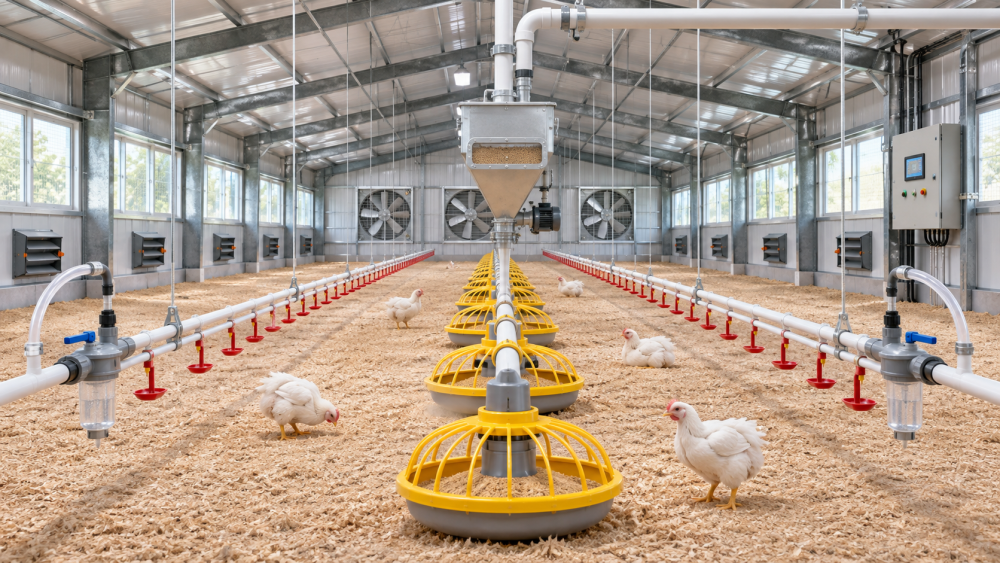
Compare equipment as an integrated system
A component can be satisfactory on its own and still cause problems when installed with other equipment. Review the proposed layout as a complete operating system, including the interfaces between mechanical parts, utilities, controls and the building.
Feeding and drinking
For feeding systems, request a layout showing feed storage, conveying routes, distribution points and access for adjustment and cleaning. Check how the design accommodates changes in bird size and how feed flow is controlled. Ask what happens when the system stops unexpectedly: for example, whether feed remains accessible and what an operator must do before restarting.
For drinking systems, compare the proposed water treatment, filtration, pressure regulation and distribution arrangement against the actual water supply. Ask how lines are flushed, how leaks are detected and whether individual sections can be isolated for maintenance. A low equipment price may be less attractive if the quotation excludes the filtration or pressure-control components needed for reliable operation.
Ventilation, environment and controls
Ventilation proposals should identify the design conditions and explain how fans, inlets, sensors and controllers work together. Ask suppliers to show how the system responds across the expected operating range, not just at a single rated point. Fan placement, air paths and building openings matter alongside equipment capacity; a catalogue rating alone does not describe performance after installation.
Review control-panel interfaces and responsibilities. Determine which supplier provides sensors, alarms, cabling, software configuration and any connection to existing equipment. If equipment from different manufacturers must communicate, require a documented interface review before purchase. Ask who will diagnose a fault when the controller and the connected device come from different sources.
Consider failure scenarios as well as normal operation. The farm should understand what happens after power loss, sensor failure or communication interruption, which alarms are provided and which responses depend on staff intervention or separate backup equipment. Claims about safety or automatic recovery should be supported by documentation and checked against the proposed configuration.
Set measurable comparison criteria
Use a comparison sheet that separates mandatory requirements from preferences. A supplier that cannot meet a critical house constraint should not be compensated for that gap simply by scoring well on price or presentation. Once mandatory conditions are checked, buyers can weight the remaining criteria according to the project’s exposure.
Record both the score and the reason for it. A statement such as “good after-sales support” is difficult to audit; a documented parts list, a named support channel and defined warranty procedures are more useful evidence. If a supplier cannot provide an answer before award, mark the issue as unresolved rather than assuming that it will be handled later.
Examine materials, cleaning and maintenance access
Poultry houses can expose equipment to moisture, dust, manure, cleaning agents and repeated washdown. Ask for the material and protective finish of parts in those locations, including fasteners and joints rather than only the main frame. Compare those details with the farm’s actual cleaning chemicals and methods. A finish described simply as “corrosion resistant” does not establish where it can be used or how damage should be repaired.
Physical access deserves the same attention. A drinker line may need flushing, a feeder drive may require inspection, and fans will need cleaning and maintenance. Drawings should show whether staff can reach service points without dismantling unrelated equipment. Confirm whether parts that wear in normal operation can be replaced individually or require a larger assembly.
For equipment with moving parts or electrical components, request operating and maintenance instructions appropriate to the delivered configuration. Identify guarding, isolation points and procedures for safe maintenance. Applicable worker-safety and electrical requirements depend on the installation jurisdiction; the buyer should identify the governing requirements with qualified local advisers and obtain relevant evidence from the supplier.
Calculate the cost of an operable system
Normalize bids before ranking them. One quote may include controls, freight and installation, while another leaves those items to the buyer. Prepare a common cost sheet covering equipment, spare parts, packing, transport, import charges where applicable, unloading, installation, utility connections, commissioning and operator training. Include taxes consistently according to the buyer’s accounting treatment.
Then consider costs during operation. Ask for the information needed to estimate electricity consumption under the farm’s expected operating schedule, as well as routine consumables and maintenance. Treat supplier estimates as assumptions unless the calculation method and operating conditions are clear. An automated system may reduce some manual tasks, but it can introduce control, sensor and repair costs that should be included in the comparison.
Downtime exposure should also influence the decision. A part with a long replenishment route may justify holding a spare on site, especially if failure would interrupt feeding, water delivery or environmental control. The appropriate stock depends on the equipment design, local availability and the farm’s ability to operate safely while repairs are made.
Verify delivery capacity and allocate interface risk
Request a schedule that separates engineering approval, manufacturing, inspection, dispatch, installation and commissioning. A single promised delivery date does not show whether drawings must be approved first or whether site preparation could delay installation. For phased projects, identify which components are needed for each house and whether partial shipments create extra handling or storage costs.
Shipping terms should state where responsibility for transport, insurance, unloading and damage transfers between the parties. The contract should also address packing lists, identification of crates, missing components and the process for reporting transit damage. Check whether large or delicate assemblies can be moved through the site’s available entrances and lifting routes.
Where several contractors are involved, produce a responsibility matrix before placing orders. For example, the equipment supplier may define electrical loads, a local contractor may install the wiring, and another party may connect the controller. Assign who checks compatibility and who signs off the completed interface. Unassigned work often reappears as a change order or an installation delay.
Build acceptance and support into the purchase agreement
Acceptance criteria are most useful when agreed before equipment ships. Specify the documents to be delivered, the condition of equipment on arrival and the checks to be performed after installation. Depending on the system, these may include confirming the delivered quantities, inspecting visible damage, checking assembly against drawings, testing controls and alarms, and demonstrating normal operating sequences.
Separate a factory inspection, if included, from site acceptance. A factory check can provide evidence about assembled equipment, but it cannot by itself prove that the complete system works with the farm’s utilities and building. State who attends each check, how deficiencies are recorded, the period for correction and whether payment milestones depend on completion.
Warranty language should identify the covered components, duration, exclusions and remedy process. Clarify whether freight, travel and labor are included, and how the buyer obtains replacement parts. Ask for a recommended spare-parts list with part numbers, expected availability and any storage requirements. Training should cover routine operation, alarm response, cleaning, basic troubleshooting and the handover of manuals and drawings.
Before award, review unresolved assumptions with the shortlisted supplier and convert agreed answers into the purchase documents. The strongest proposal is the one whose scope, interfaces and support can be verified against the farm’s actual operating conditions—not simply the one with the most comprehensive-looking equipment list.
Want to dive deeper into these market dynamics, or need data-driven support for your next business move? Drop a line below and let the analysts at AFBN provide customized insights.
We respect your privacy. Your information is strictly confidential.
相关推荐
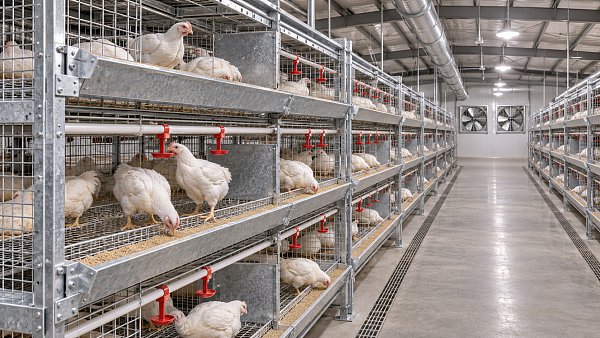
 Evaluating Broiler Cage Layouts for Feeder and Drinker AccessExplore Taiyu(HK) poultry farm equipment and learn how to compare broiler cage layouts for reliable feeder and drinker access throughout the flock cycle.
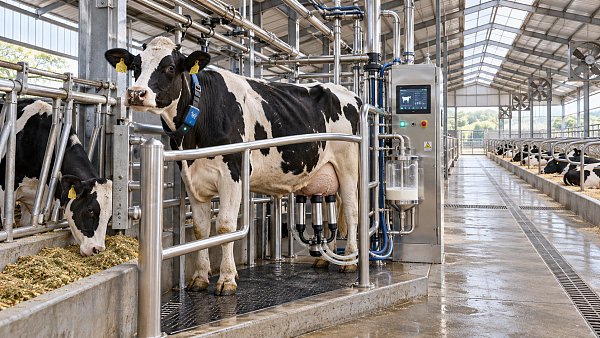
 Choosing Dairy Farm Systems: Milking, Feeding, and Herd ManagementCompare dairy farm systems for milking, feeding, and herd management. Discover how to assess costs, integration, labor, and reliability before you invest.
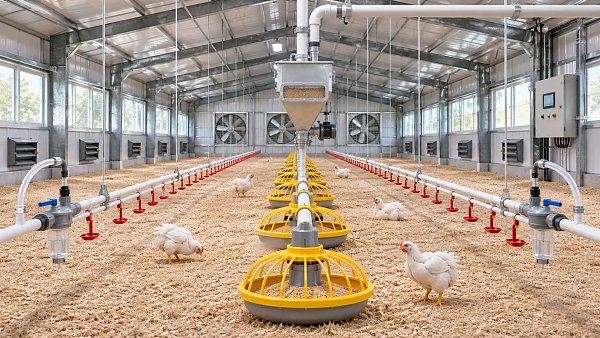
 Commercial Poultry Equipment Suppliers: An Evaluation FrameworkCompare commercial poultry equipment suppliers with a practical framework for evaluating system fit, complete costs, delivery and support. Make a confident buying decision.
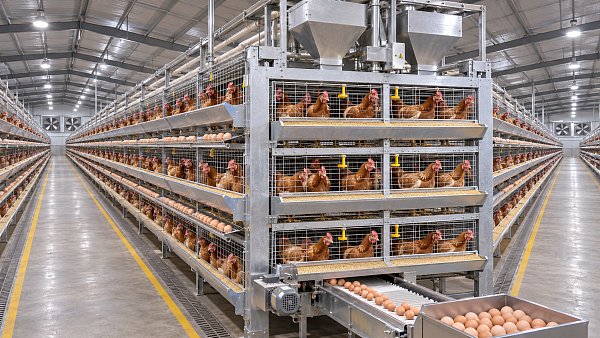
 Semi-Automatic H-Type Layer Cages: Assessing Daily Labor NeedsH type layer cage system labor needs vary by equipment and layout. Learn how to estimate daily staffing, compare costs and plan with confidence.