



Search
Related News
- 00
0000-00
Probiotics Price Guide: What Drives the Cost of Bulk Ingredients? - 00
0000-00
Georgia’s Tomato Import Value Reaches Record for January–October 2026 - 00
0000-00
Health Attributes Drive Innovation in the Cereal Industry - 00
0000-00
French Tomato Output Forecast to Fall in 2026 as Prices Remain High - 00
0000-00
Choosing Food Packaging Lines: Capacity, Product Type and Automation
Starting a Layer Farm in Nigeria: Housing and Equipment Basics




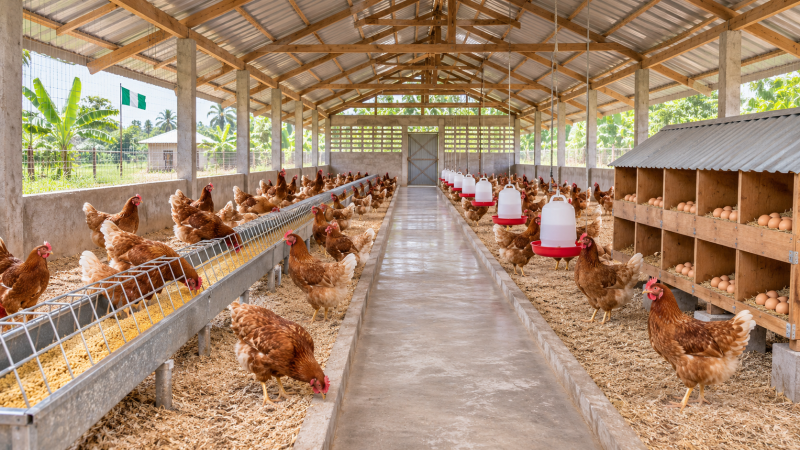
A layer house needs to do more than accommodate birds and hold equipment. It must keep feed and water accessible, limit heat buildup, protect the flock from disease exposure and allow eggs to be collected without excessive breakage. A layout that works on paper can become difficult to operate if the water supply fails, the roof traps heat or replacement drinker parts are unavailable.
For a prospective Nigerian egg producer, the practical starting point is to match the housing system to the intended flock, local climate, available labour and budget. The equipment list follows from that decision—not the other way around.
Choose the flock plan before designing the house
Decide whether the farm will receive day-old chicks and rear them through the growing period, or purchase pullets that have already been raised elsewhere. Day-old chicks need a brooding area, reliable heat and close supervision. Purchased pullets reduce the need for early brooding facilities, but their health status, vaccination history, age and previous management become important purchasing questions.
The planned number of birds should be based on usable space and management capacity rather than the maximum number that can physically fit into a building. Ask the bird supplier for its current management guide and use its recommendations for stocking density, feeder access, drinking points and lighting as the basis for the layout. Equipment dimensions alone do not establish how many birds can be managed well.
In planning layers poultry farming in nigeria, it is also useful to map the sequence from bird arrival to egg dispatch. A setup guide can provide context on the wider start-up process, while the house plan should show where feed enters, where eggs leave, how manure is removed and how staff move without carrying contamination between areas.
Site and housing decisions that affect daily work
Land that stays accessible during heavy rain is easier to supply and service than a site reached by a road that regularly becomes impassable. Check drainage, flood history, road access and proximity to neighbouring homes before committing to a plot. Consider where water storage, feed deliveries, litter or manure handling, and future expansion would fit without blocking normal operations.
The house should provide shelter from rain and predators while allowing stale, humid air to escape. In naturally ventilated buildings, roof design, side openings, prevailing winds and nearby obstructions all affect airflow. A long building oriented to reduce direct sun exposure on its side walls may be helpful, but the best orientation depends on the site, wind and surrounding structures. Roof overhangs and adjustable curtains can help manage rain entry without permanently sealing the house.
Heat management deserves attention before equipment is installed. Observe the site at hot times of day and consider whether nearby walls or trees obstruct airflow. If fans are planned, establish how they will operate during a power interruption. Fans cannot compensate for every design problem, and a densely stocked house can become dangerous quickly when ventilation stops.
The floor and surrounding ground should be straightforward to clean and drain. A sound floor helps prevent standing water and makes it easier to remove litter or manure. Keep feed storage dry and protected from rodents; avoid placing feed directly where leaks or runoff can reach it. Provide a separate area for egg handling, away from manure and cleaning chemicals.
Compare litter and cage systems in operational terms
Two broad approaches are floor housing with litter and cage housing. Neither should be selected solely on the purchase price of the equipment. The choice changes the building layout, labour routine, manure handling and the way birds are observed.
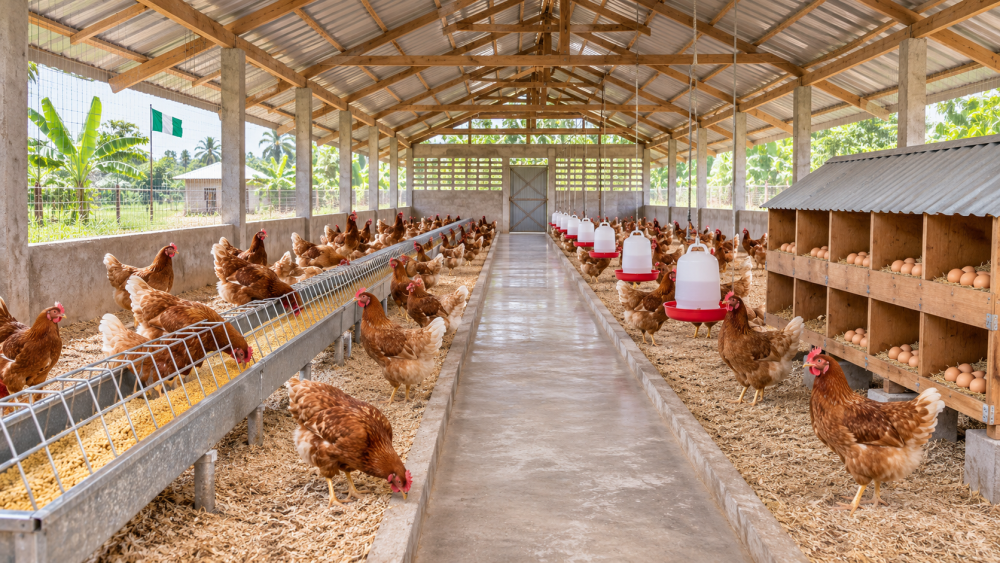
In a litter house, dry bedding and well-managed drinkers help keep the floor usable. Nest placement matters: nests should be accessible, clean and positioned so staff can collect eggs without disturbing the flock unnecessarily. Plan for the supply, storage and eventual removal of litter before birds arrive.
Cage equipment requires scrutiny beyond the number of compartments. Ask how birds reach feed and water, whether fittings can be adjusted for the birds’ size, how eggs roll or travel to the collection point, and whether workers can inspect birds at the back and on upper tiers. Rough edges, unstable frames and poorly aligned egg trays are defects to address before stocking. Housing decisions should also reflect applicable local requirements and the welfare needs of the birds; check current requirements with the relevant authorities and a poultry veterinarian.
Water, feed and power are part of the equipment specification
A drinker system is only as reliable as its water source. Determine whether the farm will use a borehole, a public supply or another source, and assess consistency across seasons. Water storage provides a buffer, but the tank, pipes and drinkers still need cleaning and inspection. Ask a suitable laboratory or local veterinary service about testing the source and interpreting results for poultry use.
Nipple and cup drinkers can reduce open-water contamination when correctly installed and maintained; bell or trough drinkers may be simpler to inspect but need regular cleaning. In each case, leaks can wet litter or promote manure buildup. Confirm that the system can deliver water throughout the house, including at the far end of a line, and that drinker height and pressure can be adjusted as birds grow.
Feeders should give birds consistent access without encouraging excessive spillage. When comparing a manual feeder with an automated line, consider the time staff can devote to filling and checking it, the reliability of power and the availability of replacement components. Automation changes the work rather than removing it: motors, drive mechanisms and feed distribution still need inspection.
Feed storage should be protected from rain, pests and contamination. Arrange bags or other containers so stock can be inspected and older feed used before newer deliveries. Before ordering a large quantity, confirm the storage conditions and delivery frequency with the feed supplier. Rancid, mouldy or otherwise suspect feed should not be treated as a routine feed-management issue; seek advice before use.
Make a list of equipment that depends on electricity, including pumps, lights, fans, feed motors and alarms. A backup generator or other power arrangement needs enough capacity for the loads it must run, fuel or charging provision, and a safe connection installed by a qualified electrician. Test the changeover process before birds are housed. Keep drinking water available even if an automated pump or electrical control stops.
Brooding and lighting need a separate plan
If chicks arrive at day-old, prepare the brooding area before delivery. Heating equipment must provide a controllable warm zone without exposing birds or litter to fire and fumes. Check that chicks can reach feed and water easily, and observe their distribution and behaviour alongside temperature readings. Follow the breeder’s current brooding guidance and adjust for the actual house and equipment.
Lighting affects daily management and the development of laying birds. Obtain a lighting programme from the pullet or breed supplier rather than copying a schedule intended for a different age or housing system. The practical equipment questions are whether light reaches the intended areas evenly, whether timers are dependable and what happens after a power cut. In an open-sided house, natural daylight also needs to be considered when applying a programme.
Keep disease prevention built into the layout
Biosecurity starts with controlling movement. A defined entrance, a place to change footwear or clothing, and an arrangement for cleaning equipment make it easier to separate the poultry area from outside traffic. Limit unnecessary visitors and keep wild birds, rodents and other animals away from feed and housing as far as the site allows.
Separate birds of different ages where practical, and avoid moving tools from a sick flock to a healthy one without cleaning and disinfection. Footbaths are not a substitute for removing dirt: disinfectants need to be used according to their labels, with solutions maintained as directed. Establish a plan with a local veterinarian for vaccination, disease reporting, isolation and safe disposal of dead birds. Requirements and disease risks can vary by location, so confirm current instructions locally rather than relying on an old generic schedule.
For general biosecurity principles, the Food and Agriculture Organization of the United Nations’ Biosecurity for Highly Pathogenic Avian Influenza: Issues and Options discusses the control of disease introduction and spread in poultry production. It is a useful background source, but it does not replace farm-specific veterinary advice.
What to request before ordering equipment
A quotation is easier to compare when it describes a complete operating system rather than a collection of equipment names. Give each supplier the same house dimensions, intended bird numbers, water source, power conditions and management method. Request a layout drawing and a written list of what is included and excluded.
- Capacity basis: Ask how the proposed bird count relates to usable space, feeder access, drinker access and the applicable bird-management guide.
- Materials and construction: Obtain descriptions of metal protection, frame connections and components exposed to water or manure. Check how surfaces can be cleaned and how damaged parts are replaced.
- Utilities and installation: Clarify water pressure or tank requirements, electrical loads, anchoring, assembly responsibilities and any building work that must be completed in advance.
- Operating support: Request operating instructions, maintenance schedules, spare-parts lists and clear warranty terms, including any exclusions.
- Delivery and acceptance: Identify transport, unloading and installation costs; agree how missing, damaged or incorrectly sized items will be reported.
Before acceptance, count components against the packing list and inspect joints, fasteners, sharp edges and coatings. Run water through every line, check for leaks and verify that end sections receive supply. Operate powered equipment and its backup arrangement where installed. In a cage house, check that egg collection routes are unobstructed; in a floor house, check that nests, feeders and drinkers are accessible and stable. Record defects and corrections before birds arrive.
Budget for operation as well as installation
The equipment invoice is only one part of the commitment. A working budget should include building preparation, birds, feed, water, electricity or fuel, labour, veterinary care, cleaning materials, egg handling, transport and repairs. Obtain local quotations for items that vary by location, and keep a contingency for supply interruptions or replacement parts.
It is useful to calculate how much cash the farm will need before egg sales begin, particularly when purchasing young birds. Model a period of delayed sales or higher feed costs instead of assuming that every egg will be sold immediately at the expected price. These are planning scenarios, not forecasts; update them as actual prices and flock performance become available.
A workable setup is one that staff can inspect, clean and maintain under local conditions. Before increasing flock size, confirm that the water supply, ventilation, manure route and egg-handling area can cope with the additional load. Expansion is easier to plan on an empty drawing than after equipment has filled every available passage.
Want to dive deeper into these market dynamics, or need data-driven support for your next business move? Drop a line below and let the analysts at AFBN provide customized insights.
We respect your privacy. Your information is strictly confidential.
相关推荐
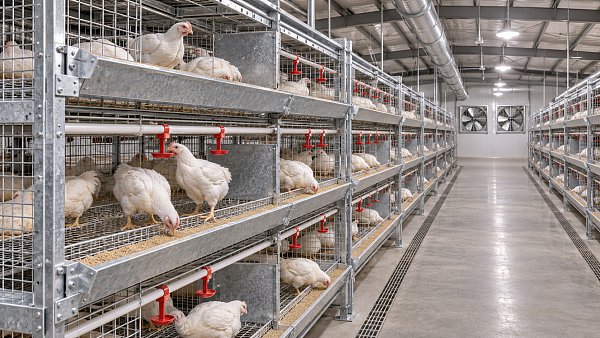
 Evaluating Broiler Cage Layouts for Feeder and Drinker AccessExplore Taiyu(HK) poultry farm equipment and learn how to compare broiler cage layouts for reliable feeder and drinker access throughout the flock cycle.
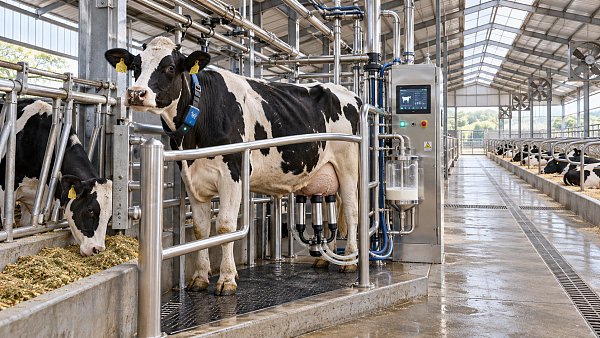
 Choosing Dairy Farm Systems: Milking, Feeding, and Herd ManagementCompare dairy farm systems for milking, feeding, and herd management. Discover how to assess costs, integration, labor, and reliability before you invest.
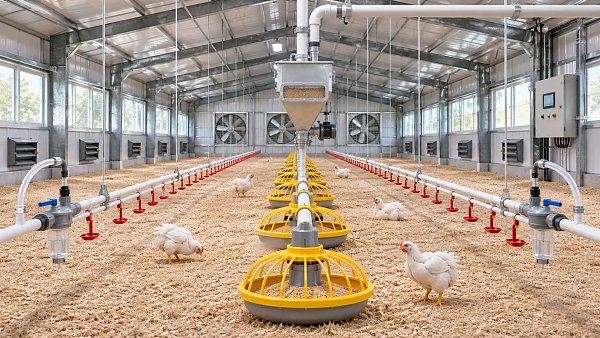
 Commercial Poultry Equipment Suppliers: An Evaluation FrameworkCompare commercial poultry equipment suppliers with a practical framework for evaluating system fit, complete costs, delivery and support. Make a confident buying decision.
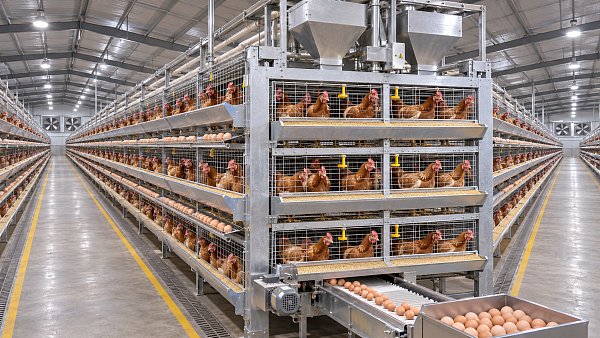
 Semi-Automatic H-Type Layer Cages: Assessing Daily Labor NeedsH type layer cage system labor needs vary by equipment and layout. Learn how to estimate daily staffing, compare costs and plan with confidence.